H2scan is pivoting its hydrogen detection expertise toward the growing complexity of energy storage management by expanding its HY-GUARD solution into a turnkey battery safety monitoring system. This strategic move targets the increasing scale of standby power and energy-storage applications. By offering continuous hydrogen monitoring, the company aims to provide facility teams with early detection capabilities to prevent abnormal battery conditions from escalating into critical failures.
HY-GUARD System Expansion and Product Integration
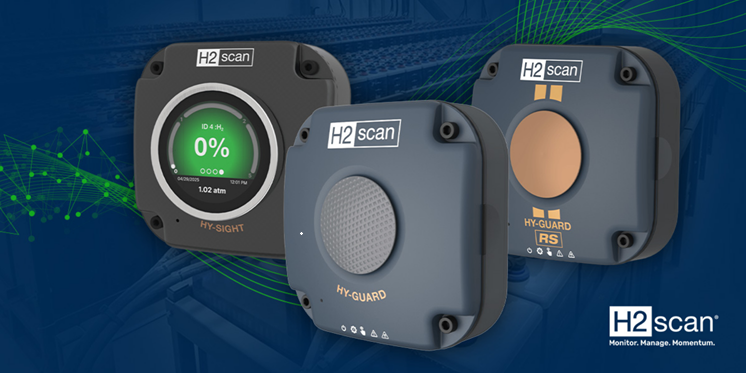
The expanded HY-GUARD platform is designed to support diverse battery chemistries, including lead-acid, nickel-cadmium, and lithium-ion systems. H2scan is positioning this as a scalable solution that can be configured for individual battery cabinets, specific rooms, or large-scale battery energy storage systems (BESS). The technical architecture relies on two primary components: the HY-GUARD® RS lithium monitor and the HY-SIGHT™ monitoring interface. Together, these tools are intended to provide a path from localized detection to comprehensive, system-wide visibility. A key technical feature is the system's continuous self-calibration, which the company claims eliminates the requirement for manual calibration and bump tests, potentially improving long-term operational reliability for critical infrastructure operators.
Scaling Safety for Complex Energy Storage Infrastructure
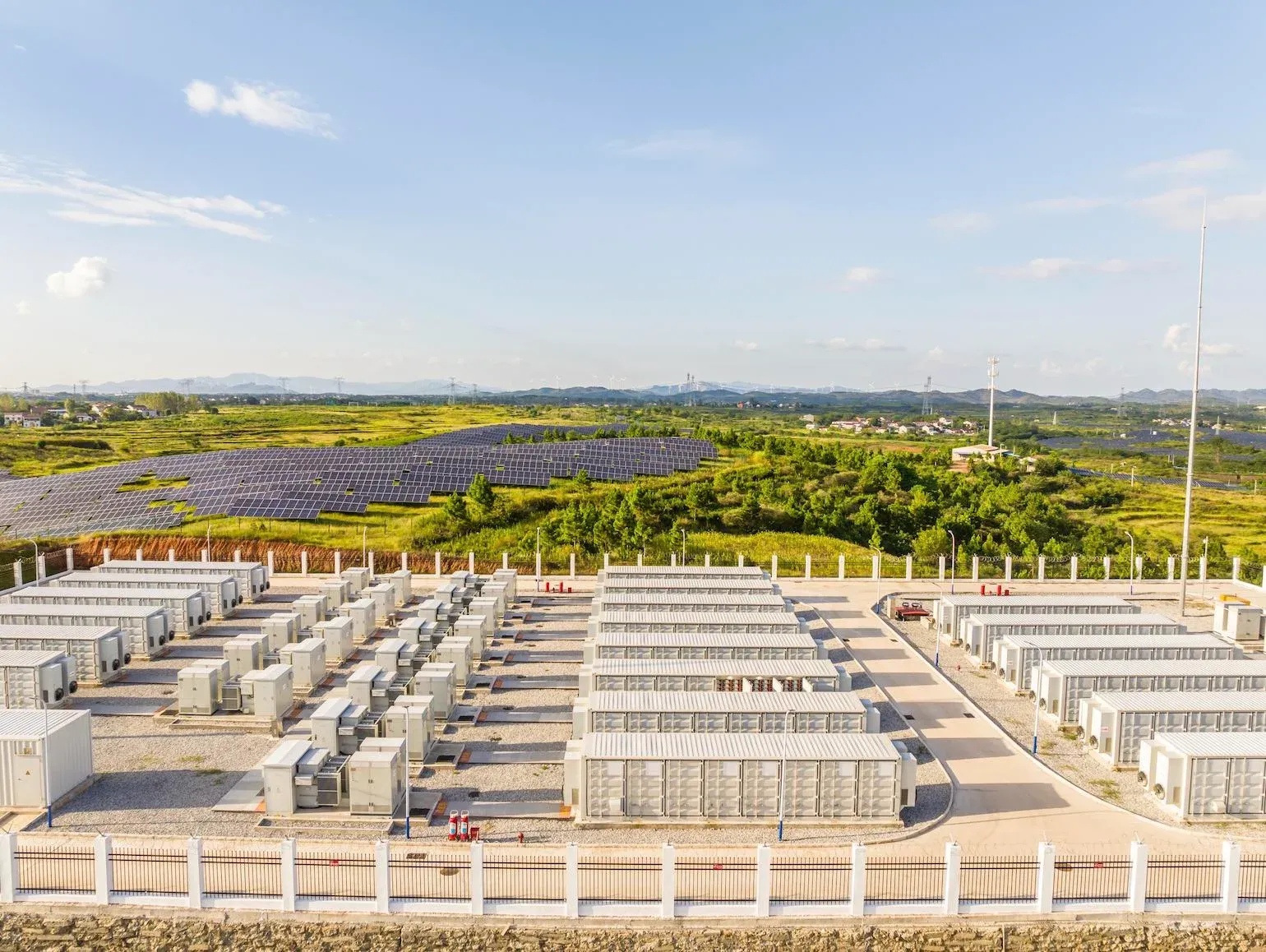
As battery installations grow in size and complexity, H2scan is targeting the need for integrated safety intelligence within facility layouts. The HY-GUARD family combines hydrogen sensing with remote monitoring, local visibility, and flexible communication capabilities. This modular approach allows operators to deploy monitoring levels that match their specific safety requirements and facility footprints. By focusing on continuous data collection, the company intends to transform hydrogen levels into actionable situational intelligence. This capability is aimed at helping operators identify abnormalities sooner, thereby reducing operational risk and protecting critical assets. The system is engineered for a long lifespan, which the company states is intended to match or surpass the service life of the batteries being monitored.
Key Takeaways
- The expanded HY-GUARD system supports lead-acid, nickel-cadmium, and lithium-ion battery technologies.
- The platform utilizes the HY-GUARD® RS lithium monitor and the HY-SIGHT™ monitoring interface for system-wide visibility.
- The system features continuous self-calibration to remove the need for manual calibration and bump tests.
EnergyInsyte's Take
In our view, H2scan’s expansion into turnkey battery safety monitoring signals a recognition of the heightened risks inherent in large-scale energy storage deployment. As utilities and industrial players transition to more complex lithium-ion and hybrid systems, the margin for error in thermal and chemical stability narrows. By linking hydrogen detection directly to actionable intelligence, H2scan is moving beyond simple sensing toward an integrated risk-mitigation model. This approach could become a standard requirement for operators looking to protect high-value BESS assets from escalating failures.
Questions & Answers
How does the HY-GUARD system address different battery chemistries?
The system provides continuous hydrogen monitoring compatible with lead-acid, nickel-cadmium, and lithium-ion technologies, allowing for a unified safety approach across diverse storage assets.
What technical features reduce the operational burden of monitoring?
The platform includes continuous self-calibration, which H2scan states eliminates the need for manual calibration and periodic bump tests, aiming to enhance long-term reliability.
Can this system be scaled for large-scale energy storage facilities?
Yes, the HY-GUARD family is designed to be scalable, with configurations available for individual cabinets, specific rooms, or entire battery energy storage systems and containers.
What are the primary components of the new monitoring platform?
The expanded platform consists of the HY-GUARD® RS lithium monitor and the HY-SIGHT™ monitoring interface, which work together to provide localized and system-wide visibility.
Source: