The commercial viability of superhot geothermal energy is increasingly linking the future of deep-crust drilling to the specialized hardware markets of nuclear fusion. Kyoto Fusioneering (KF) has secured an order from Quaise Energy, Inc. to supply a gyrotron system designed for millimeter wave drilling technology. This agreement, signed on August 17, 2026, marks the first time KF’s plasma heating business has fulfilled a commercial order from a customer outside the fusion sector. By repurposing megawatt-class millimeter wave sources, the companies aim to bypass the economic and physical limitations of conventional mechanical drilling, targeting high-temperature geothermal resources that remain largely inaccessible to current industry standards.
Quaise Energy Leverages Millimeter Wave Drilling Technology
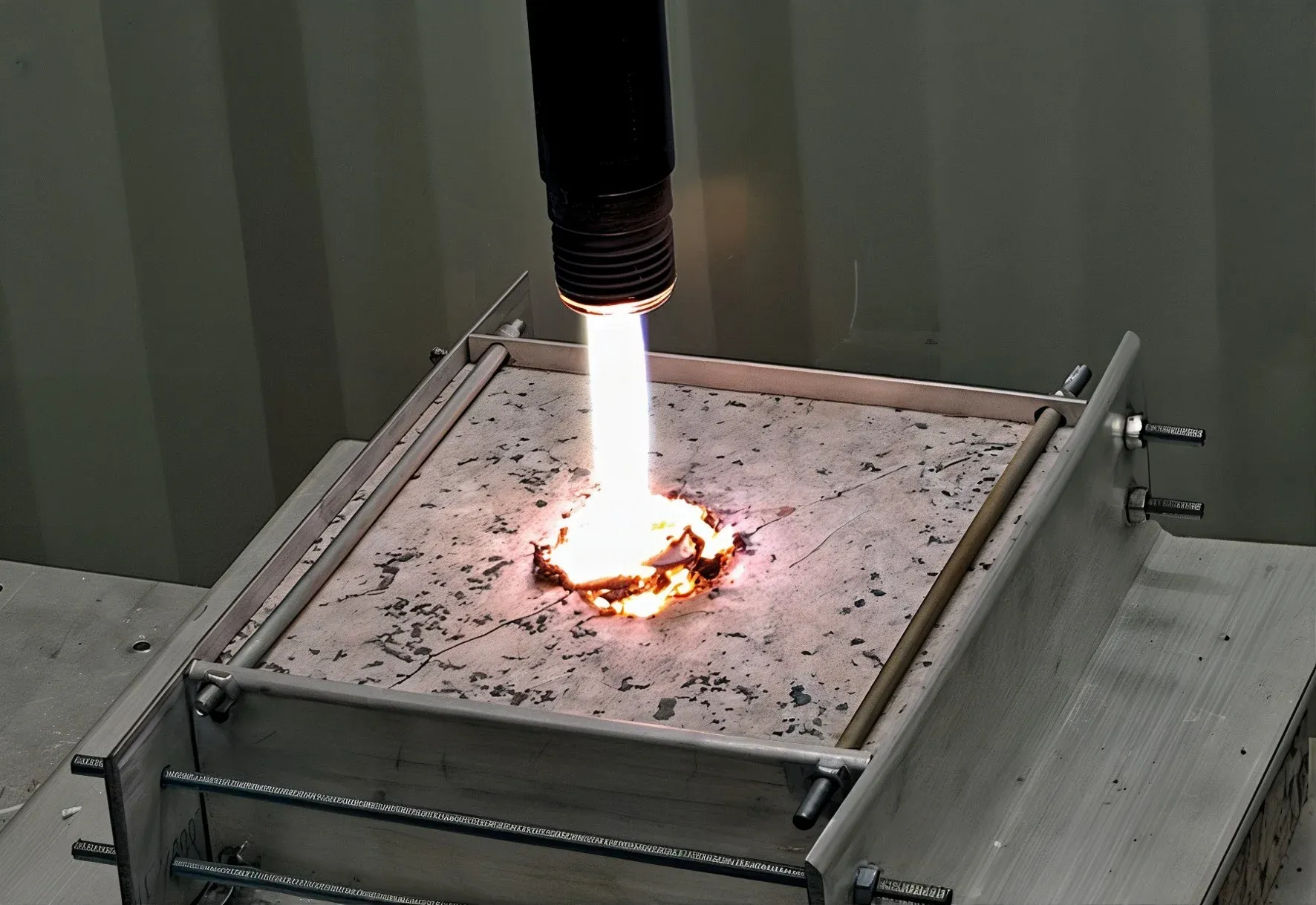
The core of the agreement centers on Quaise Energy’s approach to accessing superhot geothermal resources through millimeter wave ablation. Unlike traditional drilling methods that rely on mechanical bits and downhole hardware, the Quaise system utilizes a gyrotron to generate millimeter waves that ablate rock. This method, which originated from over a decade of research at the Massachusetts Institute of Technology (MIT), is intended to reach depths and temperatures where conventional equipment fails to operate economically. Because the system requires no downhole hardware, it avoids the mechanical wear and tear typical of deep-well operations.
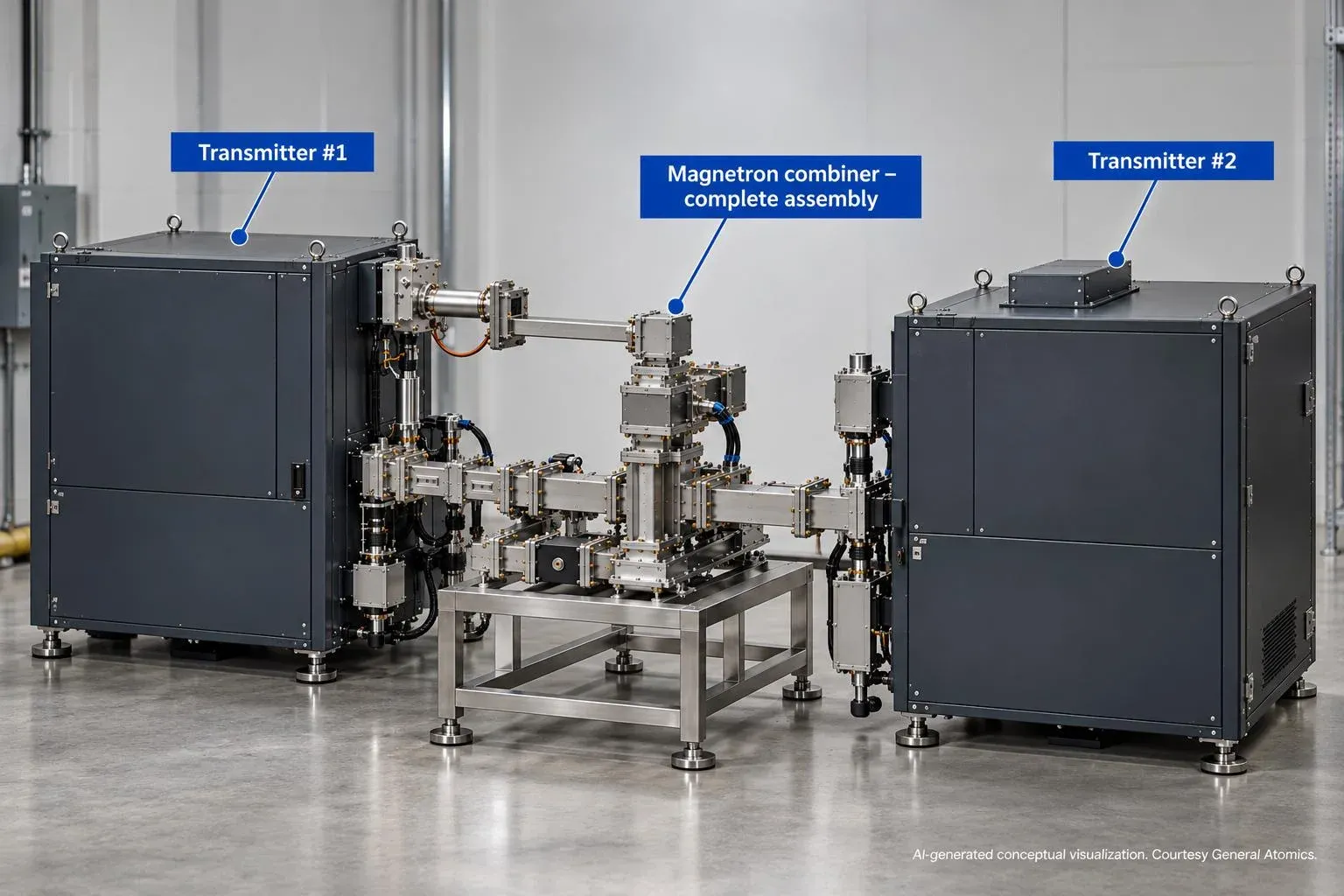
The gyrotron serves as the critical enabling component for this process. Currently, the industrial base for megawatt-class millimeter wave sources is almost exclusively driven by the requirements of the fusion energy sector. Kyoto Fusioneering is positioning this order as a way to bridge the gap between experimental fusion hardware and industrial-scale energy applications. While most existing fusion machines operate in short, pulsed cycles lasting only seconds, the gyrotron being supplied to Quaise is specifically designed for continuous operation. This distinction is vital, as the drilling process requires a steady, uninterrupted millimeter wave source to advance the borehole effectively.
Scaling the Fusion-Derived Supply Chain for Geothermal
This transaction represents a strategic move to build the industrial infrastructure required for both superhot geothermal and future fusion power plants. Kyoto Fusioneering is utilizing this commercial demand to refine design, engineering, and quality systems that will eventually be necessary for the fusion industry. The company is leveraging its experience with high-frequency tubes—ranging from 28 GHz to 236 GHz—and its history of delivering systems to organizations like the UK Atomic Energy Authority and the U.S. Department of Energy.
The development of these high-power, continuous-operation gyrotrons is also supported by Japan’s national energy R&D funding agency, NEDO. In September 2024, KF was selected for NEDO’s Deep-Tech Startups Support Program in the Green Transformation (GX) field to advance this specific technology. As Japan seeks to develop its vast, deep geothermal resource base, the success of this millimeter wave technology could provide a pathway to unlocking high-temperature energy assets that are currently too expensive to reach. By securing non-fusion orders now, KF is attempting to expand a specialized supply chain before the massive demand from commercial fusion power plants arrives.
Key Takeaways
- Kyoto Fusioneering signed an agreement on August 17, 2026, to supply a gyrotron system to Quaise Energy for millimeter wave drilling.
- The Quaise drilling technology, based on MIT research, uses millimeter waves to ablate rock, eliminating the need for downhole hardware.
- The supplied gyrotron is designed for continuous operation, distinguishing it from the pulsed-duty cycle hardware used in most current experimental fusion devices.
EnergyInsyte's Take
In our view, this agreement is less about geothermal drilling and more about the industrialization of the fusion supply chain. The primary bottleneck for commercial fusion will not just be the physics of plasma confinement, but the availability of high-spec, megawatt-class components like gyrotrons. By securing a contract with Quaise Energy, Kyoto Fusioneering is effectively using the geothermal sector as a high-stakes testing ground to scale its manufacturing capabilities. This "dual-use" strategy allows KF to build the necessary industrial depth and continuous-operation reliability required for future fusion plants while generating immediate commercial revenue. For the broader energy market, this signals that the technological convergence between fusion research and deep-earth geothermal exploration is accelerating, potentially providing a much-needed boost to the specialized component manufacturing sector.
Questions & Answers
How does the gyrotron technology differ from conventional geothermal drilling methods?
Conventional drilling relies on mechanical hardware and bits that face significant economic and physical limitations at extreme depths and temperatures. In contrast, the Quaise Energy system uses a gyrotron to generate millimeter waves that ablate rock, allowing for drilling without downhole hardware.
What is the strategic importance of this order for Kyoto Fusioneering's long-term business model?
The order allows Kyoto Fusioneering to build a commercial supply chain and refine engineering systems for continuous-operation hardware. This capability is intended to prepare the company for the eventual large-scale demand from the fusion power industry, which will require more robust infrastructure than current experimental pulsed-mode machines.
What role has the Japanese government played in developing this technology?
The Japanese government, through NEDO (Japan’s national energy and industrial technology R&D funding agency), has supported this development via the Deep-Tech Startups Support Program in the Green Transformation (GX) field. This support specifically targets the development of high-power, continuous-operation gyrotrons and power supplies.
Why is continuous operation a critical technical requirement for this application?
While most current fusion research devices operate in short pulses, geothermal drilling requires the millimeter wave source to run continuously to advance the hole. The gyrotron supplied to Quaise is specifically designed to meet this continuous-duty requirement, distinguishing it from standard fusion-heating hardware.
Source: Kyoto Fusioneering