The push to localize energy technology supply chains is gaining momentum in the Midwest as Richardson Electronics, Ltd. (NASDAQ: RELL) expands its manufacturing footprint to produce commercial battery energy storage systems (BESS). Supported by the Reimagining Energy and Vehicles in Illinois (REV Illinois) program, the La Fox-based manufacturer is scaling production of energy storage solutions intended to bolster grid reliability and renewable integration. This expansion includes the installation of a 5-MWh research and development demonstration project, marking a significant move toward domesticating the hardware required for large-scale energy management. The initiative aligns with Illinois’ Clean and Reliable Grid Affordability Act (CRGA), which targets forecasted energy supply shortfalls through increased storage capacity.
Richardson Electronics Expands La Fox Manufacturing and R&D
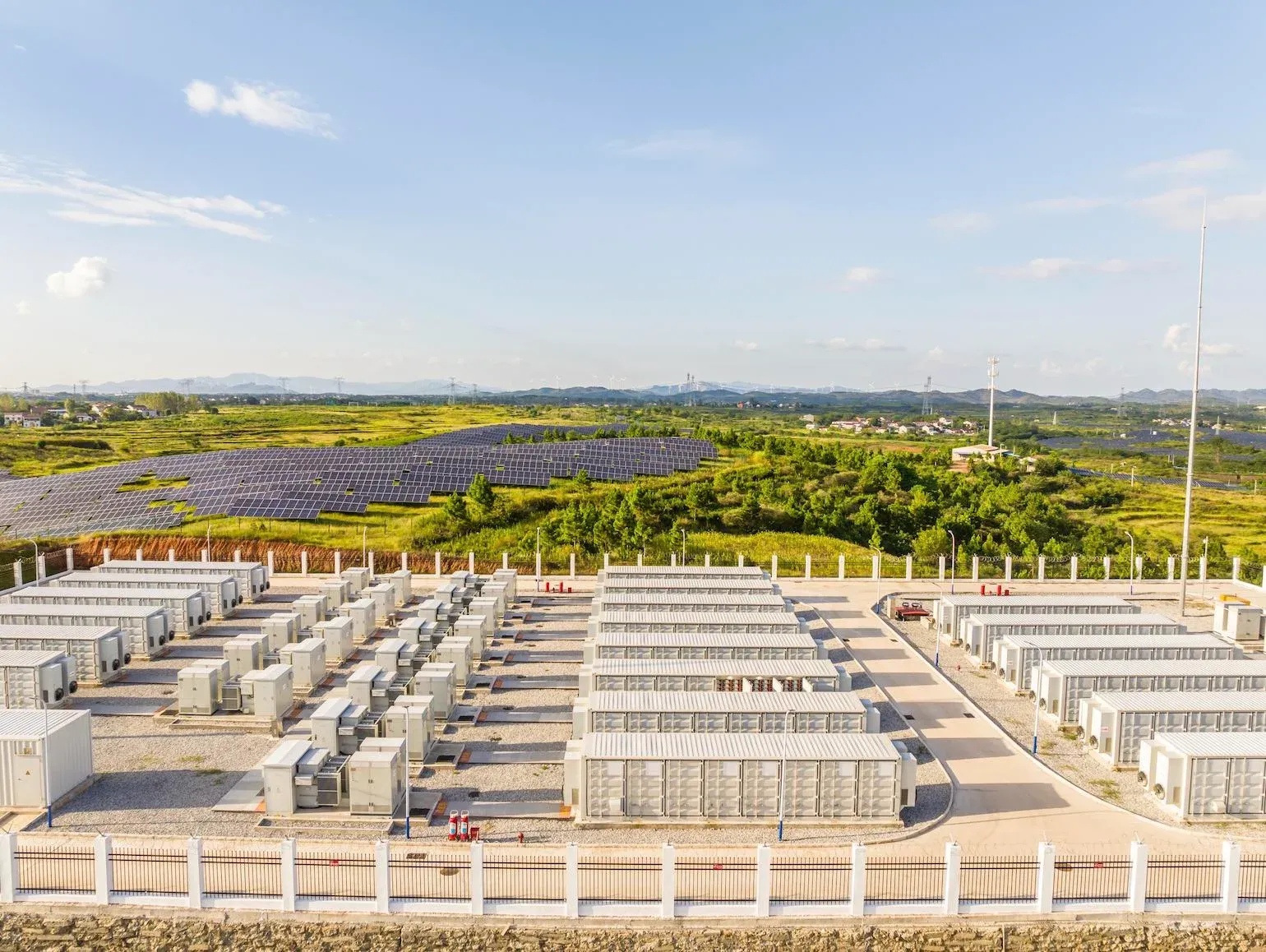
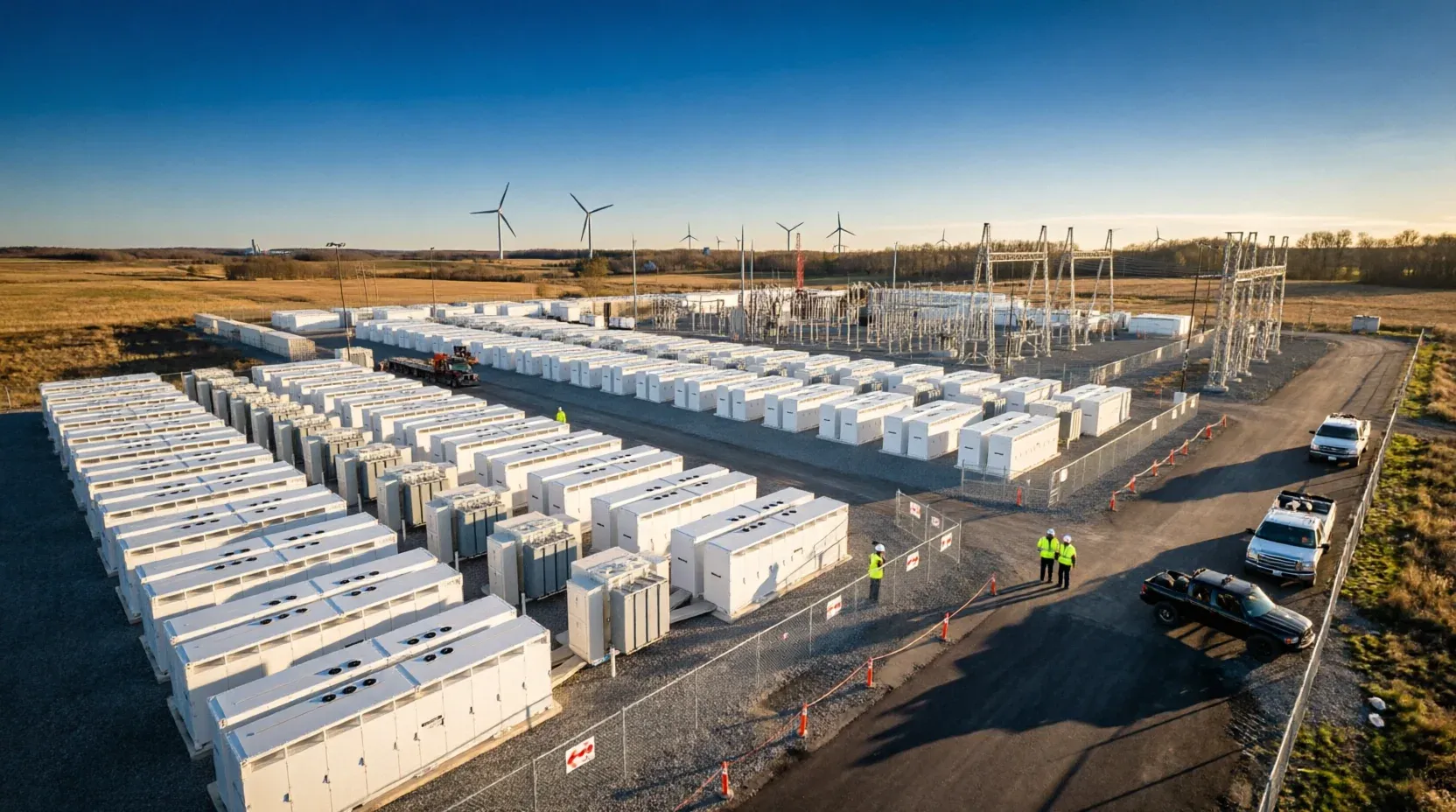
Richardson Electronics is leveraging state incentives to transition from a legacy manufacturer into a specialized provider of advanced energy storage hardware. The company is currently constructing what it describes as the largest commercial battery storage system in Illinois. To validate these technologies in a real-world environment, Richardson is installing a 5-MWh research and development demonstration project. This onsite system is being integrated through the ComEd interconnection process, which includes engineering studies and site preparation to ensure the demonstration system connects safely without disrupting existing service to surrounding customers.
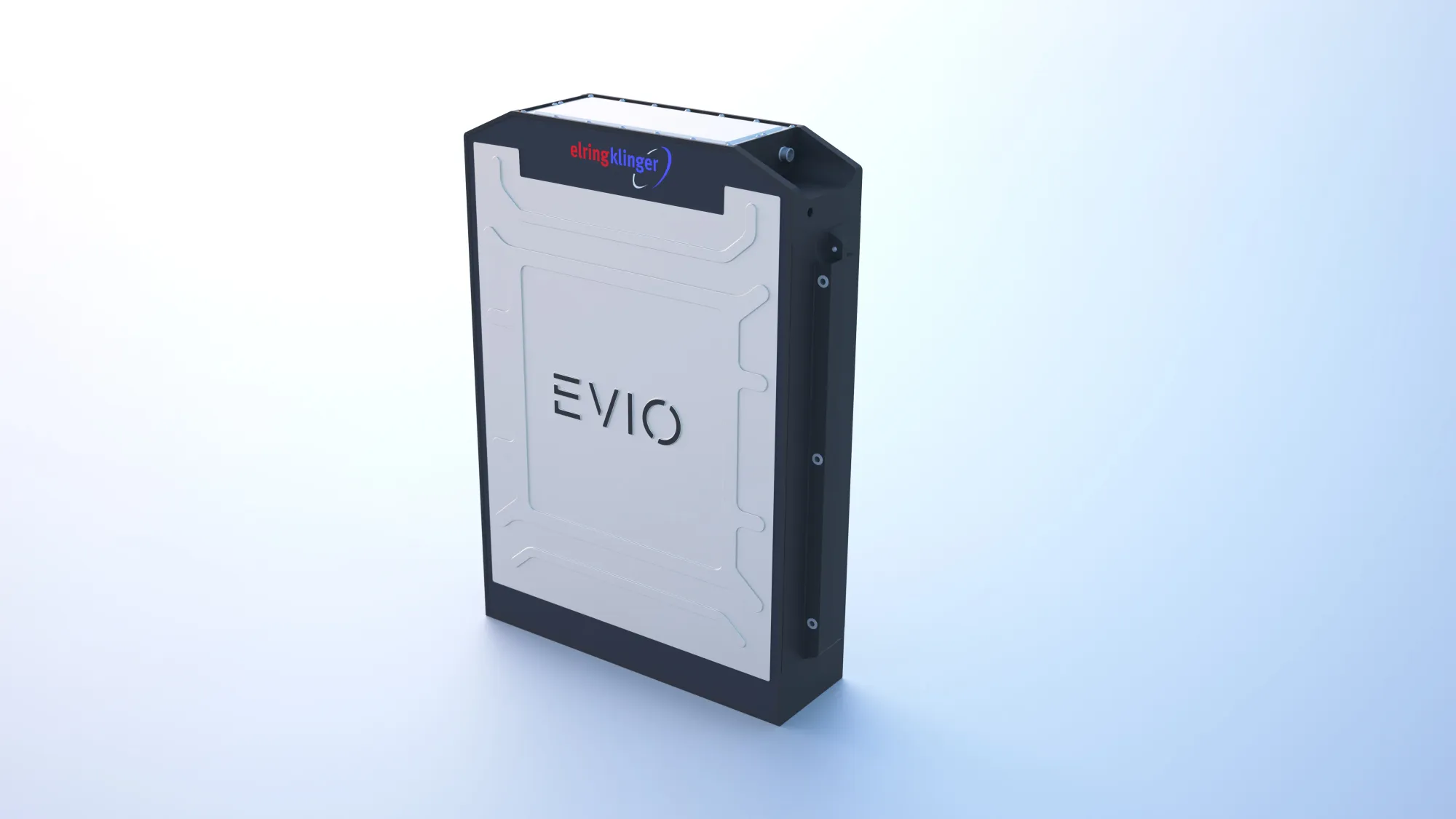
The company’s product roadmap includes a range of BESS platforms designed for various commercial scales, specifically 211-kWh, 422-kWh, and 760-kWh systems. For larger utility-scale deployments, Richardson is offering a 5-MWh system. These products are developed through strategic partnerships, such as with Gotion Illinois, to provide scalable storage options. By expanding its La Fox operations, Richardson aims to scale the development and distribution of these products, positioning itself to meet the growing demand for localized energy technology. This manufacturing growth is being facilitated by the REV Illinois program, which focuses on advancing energy technology manufacturing and supporting economic growth within the state.
Grid Reliability and the Clean and Reliable Grid Affordability Act
The deployment of these storage systems is positioned as a strategic response to the energy requirements outlined in the recently enacted Clean and Reliable Grid Affordability Act (CRGA). As Illinois faces potential energy supply shortfalls, battery storage is being utilized to manage peak demand and integrate renewable resources more effectively. By charging during periods of high availability and discharging during peak demand, these systems can help mitigate the volatility of electricity costs and support a more flexible electric grid.
ComEd is facilitating this transition through its customer interconnection process and engineering support, while also offering financial incentives through its Distributed Generation Rebate Program. This program, which has reached a $350 million milestone, allows qualifying customers to receive upfront rebates of up to $300 per kilowatt-hour of storage capacity. For example, a 13.5-kWh residential battery could qualify for a rebate of approximately $4,050. This combination of manufacturing expansion and regulatory support suggests a coordinated effort to build a domestic ecosystem for energy storage that addresses both infrastructure resilience and cost management for industrial and commercial users.
Key Takeaways
- Richardson Electronics is installing a 5-MWh research and development demonstration project in La Fox, Illinois.
- The company offers commercial BESS platforms in 211-kWh, 422-kWh, and 760-kWh sizes, alongside a 5-MWh utility-scale system.
- ComEd’s Distributed Generation Rebate Program provides up to $300 per kilowatt-hour of storage capacity for qualifying installations.
EnergyInsyte's Take
In our view, the collaboration between Richardson Electronics and ComEd represents a calculated attempt to bridge the gap between state-level decarbonization mandates and the physical realities of grid stability. By utilizing the REV Illinois program to scale domestic manufacturing, the stakeholders are not just deploying technology; they are attempting to insulate the local supply chain from the volatility of global battery markets. The 5-MWh demonstration project is particularly critical, as it serves as a technical litmus test for how locally manufactured hardware performs under actual interconnection protocols. This move signals that for the Clean and Reliable Grid Affordability Act to succeed, the state must move beyond policy targets and into the heavy lifting of hardware deployment and manufacturing. If Richardson can successfully scale these modular BESS platforms, it provides a blueprint for how regional manufacturers can capture value in the energy transition.
Questions & Answers
How does the REV Illinois program specifically impact Richardson Electronics' operations?
The REV Illinois program provides support that helps Richardson Electronics strengthen its La Fox operations and advance its energy technology manufacturing capabilities, specifically aiding in the scaling of battery energy storage solutions.
What specific scales of BESS platforms is Richardson Electronics currently offering?
Richardson Electronics offers several BESS platform sizes for commercial use, including 211-kWh, 422-kWh, and 760-kWh systems, as well as a 5-MWh system designed for large-scale utility deployments.
What financial incentives are available through ComEd for battery storage installation?
Through the ComEd Distributed Generation Rebate Program, customers installing qualifying battery storage can receive an upfront rebate of up to $300 per kilowatt-hour of storage capacity.
What is the strategic purpose of the 5-MWh demonstration project?
The 5-MWh project serves as a research and development demonstration to test advanced energy storage solutions and validate their ability to manage energy efficiently and support grid resilience through the ComEd interconnection process.
Source: ComEd