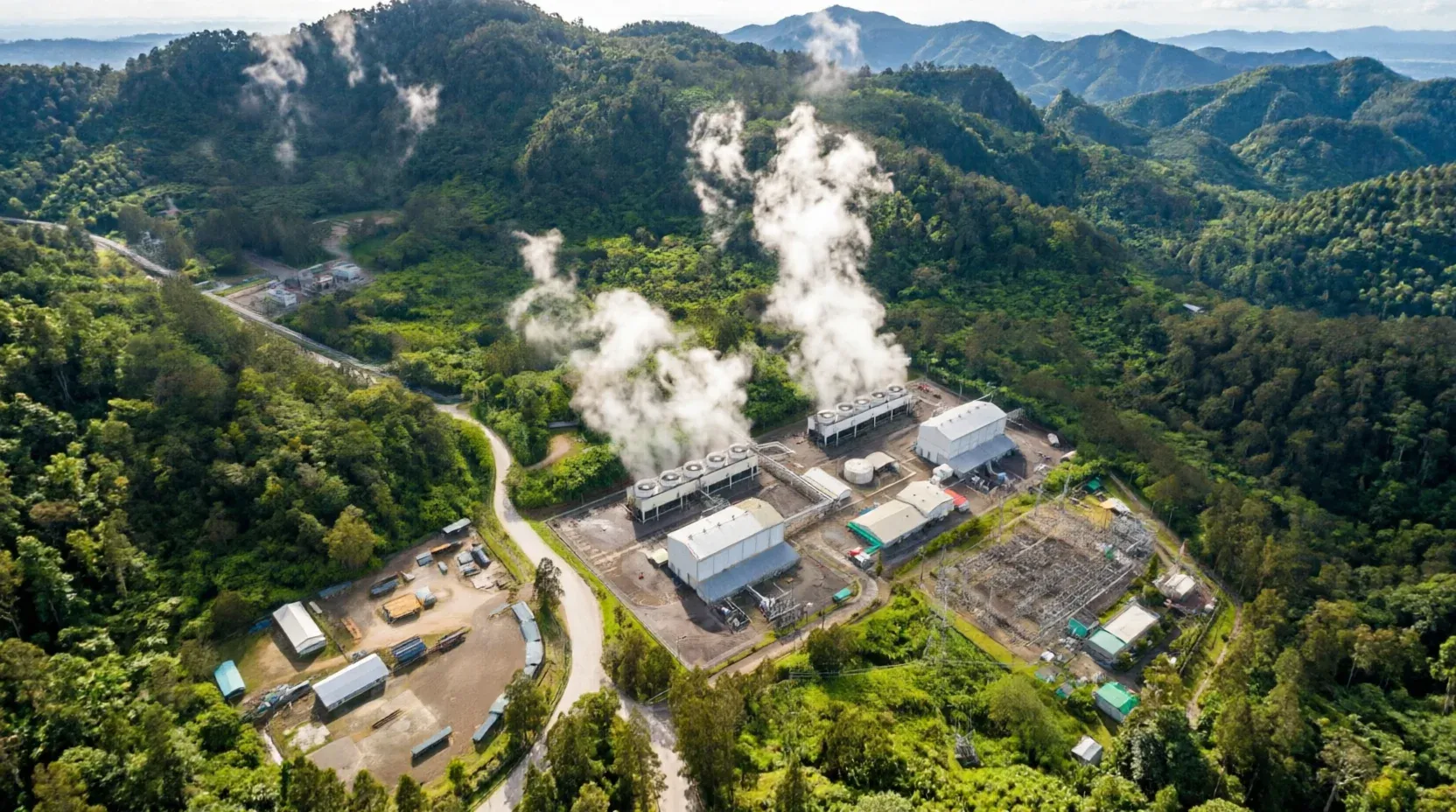
Sage Geosystems is attempting to validate a scalable commercial model for enhanced geothermal systems (EGS) by integrating proprietary subsurface engineering with existing utility-scale infrastructure. The company has selected Ormat Technologies’ Blue Mountain geothermal power plant in Winnemucca, Nevada, as the site for its next commercial-scale facility, known as Project Vector. This strategic move aims to leverage established power plant capacity and existing grid connections to deliver firm, 24/7 geothermal heat to the Blue Mountain facility for electricity conversion.
Project Vector Infrastructure Integration
The Project Vector development centers on a two-well system designed to circulate fluid through an engineered subsurface reservoir. This fluid absorbs heat from the surrounding rock before returning to the surface to provide thermal energy to Ormat’s Blue Mountain plant. Sage is positioning this approach as a method to deliver higher net power output while achieving significantly lower water losses compared to alternative EGS systems. By utilizing an existing plant, Sage intends to direct capital and resources toward demonstrating the performance of its proprietary technology rather than building new surface conversion infrastructure from scratch. The company expects to begin drilling the first of two wells in the fourth quarter of 2026. If permitting and regulatory processes allow, Sage anticipates producing first electricity in 2027, with full-scale production slated for 2028. This project follows a strategic agreement between Sage and Ormat signed in August 2025 and Ormat's participation in Sage’s ~$100 million Series B financing in January 2026.
Scaling EGS Through Digital Modeling
Sage is applying technical learnings from its SMECI facility in South Texas to the Nevada site to mitigate geological uncertainty. At SMECI, the company reported over 120 days of operations where subsurface performance was characterized as repeatable and predictive. To replicate these results in a different geologic setting, Sage is utilizing its GeoTwin™ digital twin platform. This modeling tool is intended to improve confidence in expected subsurface behavior and reduce the risks associated with scaling EGS technology across diverse resource settings. The company suggests that this digital approach, combined with active subsurface management, allows for the engineering of a controlled energy system. This capability is critical as Sage manages a growing commercial pipeline, which includes a 150 MW geothermal power agreement with Meta. The transition from the SMECI demonstration to the Project Vector commercial-scale facility represents a significant step in testing whether Sage’s engineered reservoirs can provide the dependable, baseload electricity required by industrial and data center customers.
Key Takeaways
- Sage Geosystems will deploy a two-well EGS system at Ormat’s Blue Mountain plant in Nevada to provide firm geothermal heat.
- The company plans to start drilling in Q4 2026, targeting first electricity production in 2027 and full production in 2028.
- Project Vector utilizes the GeoTwin™ digital twin platform to manage subsurface uncertainty and optimize reservoir performance.
EnergyInsyte's Take
In our view, Sage Geosystems is executing a high-efficiency capital deployment strategy by "piggybacking" on Ormat’s existing assets. Rather than facing the massive CAPEX required for new power conversion infrastructure, Sage is focusing its investment on the high-risk, high-reward subsurface engineering that defines EGS. This model effectively de-risks the project for investors by linking new technology to proven grid interconnection and plant capacity. However, the success of Project Vector hinges entirely on whether the GeoTwin™ modeling can accurately predict performance in Nevada’s specific geology, mirroring the results seen at the SMECI facility in Texas. If successful, this provides a blueprint for rapid geothermal scaling.
Questions & Answers
How does Project Vector differ from traditional geothermal development?
Unlike traditional projects that require building both the resource extraction and the power conversion infrastructure, Project Vector focuses on delivering engineered geothermal heat directly into Ormat’s existing Blue Mountain power plant to utilize its established conversion assets.
What is the projected timeline for commercial operations in Nevada?
Sage expects to commence drilling the first well in the fourth quarter of 2026. The company targets the production of first electricity in 2027, with the goal of reaching full-scale production in 2028, pending regulatory approvals.
How is Sage Geosystems addressing the technical risks of subsurface uncertainty?
The company is utilizing its proprietary GeoTwin™ digital twin platform to model and predict subsurface behavior. This follows 120 days of operational data from its SMECI facility, which Sage claims demonstrated repeatable and predictable reservoir performance.
What role does Ormat Technologies play in this development?
Ormat is a strategic partner that co-led Sage’s ~$100 million Series B financing in January 2026. Ormat also provides the host site for the project via its Blue Mountain geothermal power plant in Winnemucca, Nevada.
Source: Sage Geosystems