As tornado activity intensifies across the U.S. Midwest and Plains states, particularly within the "Tornado Alley" corridor spanning Texas, Oklahoma, Kansas, Nebraska, and Illinois, the necessity for reliable emergency power is increasing. Residents in these regions face heightened risks of prolonged grid outages following severe weather events. In response to this growing vulnerability, clean energy technology provider BLUETTI is positioning its expandable home battery backup systems as a critical solution for household and community resilience. With the U.S. averaging more than 1,200 tornadoes annually according to NOAA data, the demand for clean, reliable energy storage that can sustain essential appliances, medical equipment, and communication devices during multi-day blackouts is becoming a primary driver for consumer energy adoption.
BLUETTI Apex 300 and Expandable Ecosystems
To address the limitations of standalone portable chargers, BLUETTI promotes an expandable energy ecosystem designed for long-term outages. The flagship Apex 300 home backup station serves as the core of this architecture. The unit features a base capacity of 2,764.8Wh and a continuous output of 3,840W, with a surge capacity of 7,680W. This allows the system to power critical loads such as refrigerators, sump pumps, and medical devices. For users requiring higher energy density, the Apex 300 is compatible with B300K and B500K expansion battery packs.
The system is designed for significant scalability; users can parallel up to three main units with matched expansion packs to achieve a maximum total capacity of 58kWh and a total output of 11.52kW. To ensure protection for sensitive electronics, the Apex 300 includes 0ms UPS switching for instantaneous power transfer during grid failures. The hardware utilizes automotive-grade LFP battery cells, which are certified to retain 80% capacity after 6,000 charge cycles, potentially serving households for over 15 years with daily use. Furthermore, the system supports a maximum solar input of 30kW when paired with the Solar X4K accessory, facilitating independent off-grid recharging following storm-induced blackouts.
Grid Resilience and Market Growth Drivers
The shift toward battery-based backup is occurring against a backdrop of significant market expansion. The U.S. home battery backup market is projected to grow at a compound annual growth rate exceeding 20% through 2030, fueled by falling battery costs and increasing climate-related grid disruptions. BLUETTI, which has shipped over 3.5 million energy storage units globally as of December 31, 2025, leverages a wide distribution network including Amazon and major retailers to reach rural and suburban tornado corridors.
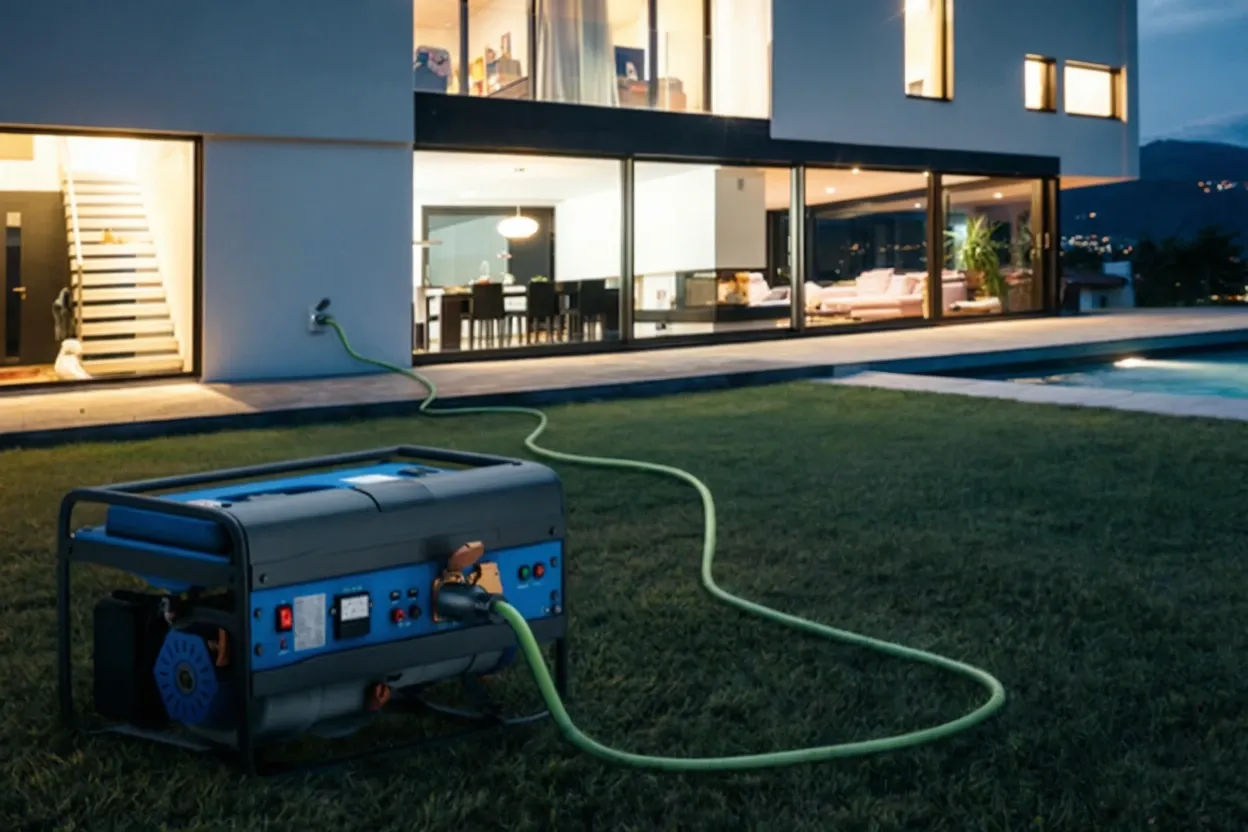
This transition is also driven by the inherent drawbacks of traditional gas generators in severe weather scenarios, such as carbon monoxide risks, fuel storage hazards, and noise. In contrast, BLUETTI’s LiFePO₄ systems produce zero emissions and can be operated safely indoors. The company’s infrastructure supports this global scale, maintaining 55 warehouses across 21 countries and 22 service centers in 17 countries and regions. By offering lower standby power consumption—as low as 10W—and broader solar input ranges compared to some competitors, these systems are increasingly viewed as a safer, lower-cost alternative for long-term emergency preparedness in storm-prone regions.
Key Takeaways
- The U.S. home battery backup market is projected to expand at a compound annual growth rate of over 20% through 2030.
- BLUETTI's Apex 300 system can reach a maximum total capacity of 58kWh and a total output of 11.52kW through parallel configurations.
- As of December 31, 2025, BLUETTI has shipped more than 3.5 million energy storage units worldwide.
EnergyInsyte's Take
In our view, the intensifying tornado seasons in the U.S. Heartland are transforming residential energy storage from a discretionary luxury into a fundamental component of household infrastructure. The shift from traditional combustion-based generators to scalable, LFP-based battery ecosystems like the BLUETTI Apex 300 signals a broader trend toward decentralized, "microgrid-ready" residential energy management. This move is driven not just by environmental preferences, but by the practical necessity of managing high-surge loads—such as sump pumps—during extended grid failures. As the market CAGR exceeds 20%, we expect to see increased integration between consumer-side storage and solar recharging capabilities to mitigate the risks of total grid isolation. For decision-makers in the utility and energy sectors, this rising demand for self-sustaining residential microgrids highlights a growing gap in grid reliability that consumers are increasingly looking to bridge through private capital deployment in advanced battery technology.
Source: https://www.einpresswire.com/