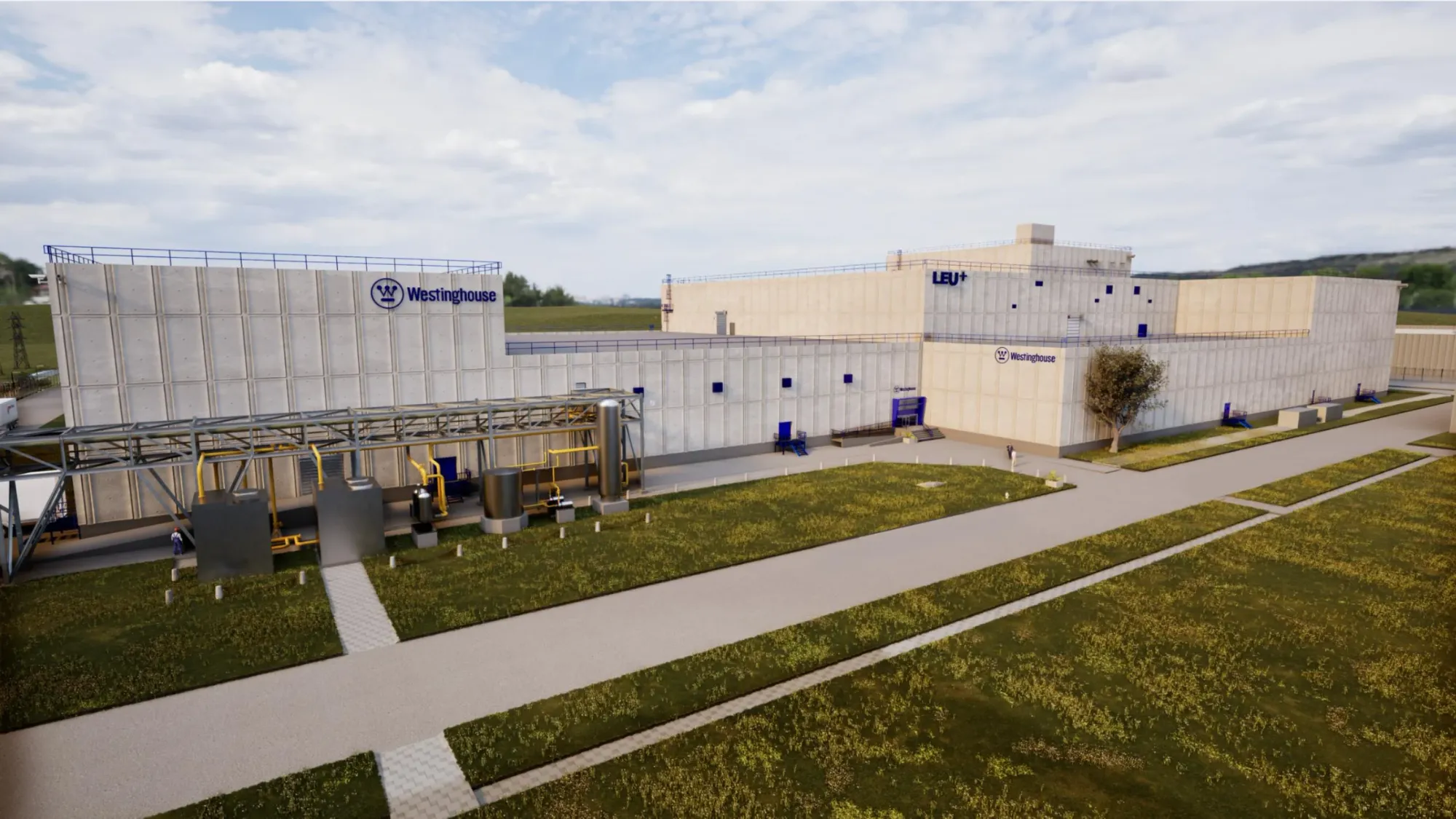
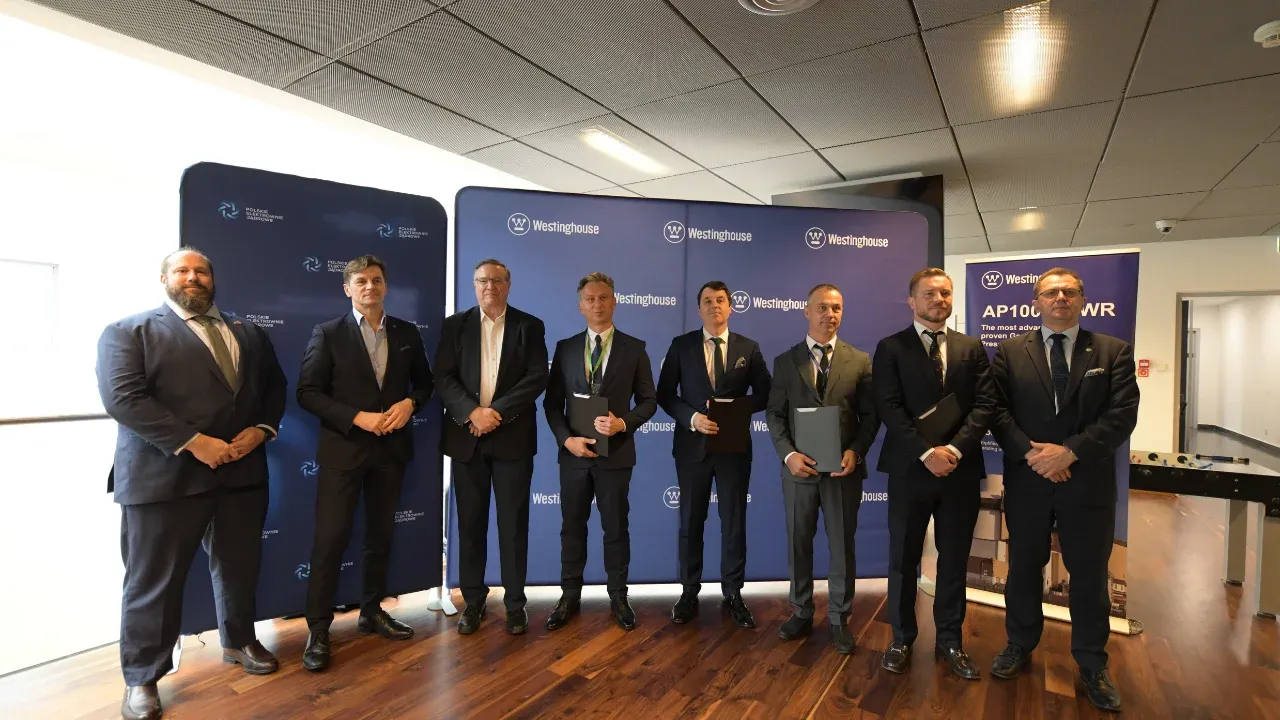
Westinghouse is attempting to integrate Polish industrial capacity into its global supply chain by issuing conditional purchase orders for Poland’s first nuclear power plant. These orders target four local firms to supply critical safety-related modules for the AP1000 unit at the Lubiatowo-Kopalino site in Pomerania. By leveraging local manufacturers, Westinghouse aims to support the Polskie Elektrownie Jądrowe (PEJ) project while testing whether these suppliers can meet the rigorous standards required for international nuclear deployment. This move signals a strategic effort to localize high-value manufacturing within the Polish energy infrastructure market.
Localized Module Procurement for Lubiatowo-Kopalino
The conditional purchase orders involve four specific Polish entities: Energomontaż-Północ Gdynia S.A. (EPG), FAMAK S.A., Mostostal Kielce S.A., and Mostostal Krakow S.A. Each company is tasked with distinct scopes of work essential to the AP1000 containment structure. Mostostal Kielce is slated for the CA02 Walls Module, while EPG is assigned the CA03 module. Mostostal Krakow will handle the CA05 Walls Module, and FAMAK is designated for the CA20 Floors Module. These components are vital to the reactor's architecture, including the in-containment refueling water storage tank and the reinforced steel and concrete structures that house plant equipment.
To transition from conditional orders to full project scope, these suppliers must achieve NQA-1 compliance and successfully complete pre-production qualification mockups. Westinghouse is positioning this supplier development program as a pathway for Polish industry to enter the global AP1000 supply chain. If successful, these firms could potentially support future reactor deployments across Europe, the Middle East, and North America, moving beyond the immediate requirements of the Lubiatowo-Kopalino site.
AP1000 Technical Integration and Safety Standards
The AP1000 reactor is being deployed as a Generation III+ technology characterized by fully passive safety systems and a modular construction design. The specific modules ordered by Westinghouse serve critical structural and safety functions within the containment building. For instance, the CA05 walls module utilizes reinforced steel plates to separate various rooms, while the CA20 module utilizes reinforced concrete slabs on steel plates to form equipment floors. This modular approach is intended to optimize the construction footprint per MWe.
Westinghouse is currently managing six operational AP1000 reactors, with 14 more under construction and five under contract globally. The company’s strategy in Poland involves utilizing these local partnerships to manage project timelines and budgets. By integrating EPG, FAMAK, and the Mostostal entities, Westinghouse is testing the ability of regional heavy industry to meet the stringent quality assurance requirements necessary for nuclear safety-related manufacturing. This integration is a key component of the broader energy security strategy for Polskie Elektrownie Jądrowe.
Key Takeaways
- Westinghouse issued conditional purchase orders to EPG, FAMAK, Mostostal Kielce, and Mostostal Krakow for the Lubiatowo-Kopalino AP1000 project.
- Suppliers must achieve NQA-1 compliance and pass pre-production qualification mockups to secure full project scope.
- The ordered modules include CA02, CA03, CA05, and CA20, covering walls, floors, and in-containment refueling water storage components.
EnergyInsyte's Take
In our view, Westinghouse is executing a calculated "test-and-scale" strategy with the Polish supply chain. By issuing conditional orders rather than full contracts, Westinghouse mitigates the risk of local technical non-compliance while providing Polish firms a clear, performance-based roadmap to NQA-1 certification. This is not merely a local procurement play; it is a strategic attempt to build a regional manufacturing hub that can service the expanding AP1000 pipeline in Europe and beyond. For energy executives, this highlights how nuclear deployment is increasingly dependent on the rapid upskilling of local industrial bases to meet the uncompromising safety standards of Generation III+ reactor technology.
Questions & Answers
How does Westinghouse intend to transition these suppliers to full project status?
Westinghouse requires each company to progress toward full NQA-1 compliance and successfully complete the fabrication of pre-production qualification mockups. Only after meeting these technical benchmarks will the companies be awarded the full project scope.
What specific structural components are being sourced from the Polish suppliers?
The orders cover the CA02 and CA03 modules for the in-containment refueling water storage tank, the CA05 reinforced steel walls for containment room separation, and the CA20 reinforced concrete floor modules for plant equipment housing.
What is the strategic objective behind using local Polish suppliers for the AP1000 project?
Westinghouse aims to help deliver the project on time and on budget while developing the technical capabilities of the Polish industry. This allows local firms to potentially join the global AP1000 supply chain for future projects in Europe, the Middle East, and North America.
What role does Polskie Elektrownie Jądrowe (PEJ) play in this development?
PEJ is the developer of Poland’s first nuclear power plant at the Lubiatowo-Kopalino site. Westinghouse is working closely with PEJ to establish these local manufacturing partnerships to support the construction of Unit 1.
Source: Westinghouse