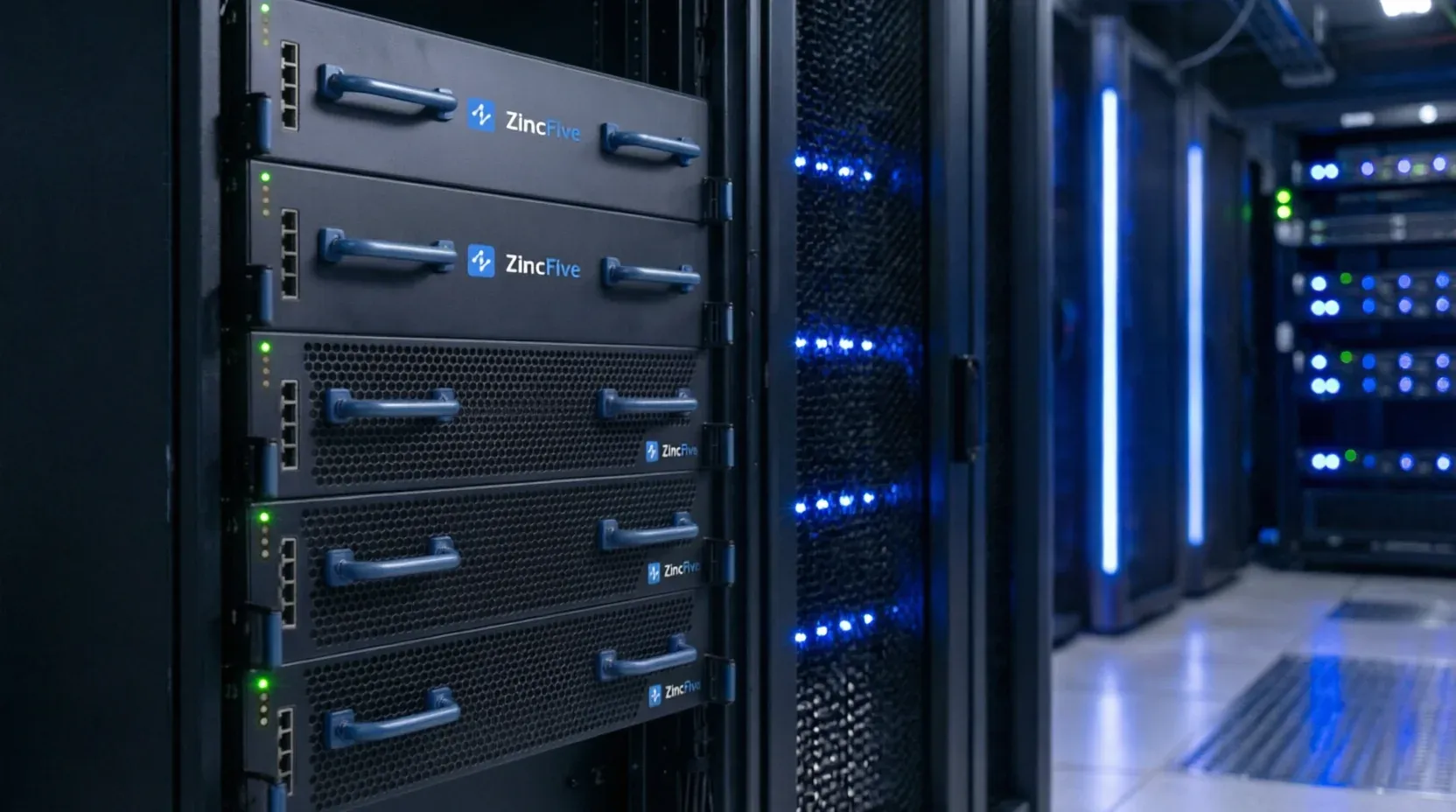
ZincFive is moving its nickel-zinc (NiZn) battery technology directly into the server rack to address the volatile power demands of artificial intelligence. By developing new Battery Backup Units (BBU) and AI Dynamic Power Modules (DPM), the company aims to bridge the gap between traditional backup runtime and the rapid, transient power responses required by high-density AI workloads. This strategic expansion shifts the company's footprint from the centralized UPS layer closer to the compute infrastructure, targeting the specific electrical stresses caused by increasingly dynamic AI power consumption patterns.
ZincFive Expands NiZn Technology into BBU and DPM
The company is developing two distinct in-rack configurations to serve hyperscalers and original equipment manufacturers (OEMs). The dedicated BBU solutions are intended for established backup applications, providing necessary runtime during power interruptions. Simultaneously, the AI Dynamic Power Module (DPM) is being engineered to mitigate transient and pulse power challenges. These modules aim to manage the rapid, repeated changes in power demand that characterize AI workloads, which can place significant stress on existing electrical infrastructure. ZincFive is designing these solutions to be compatible with current 48V rack-level systems while also aligning with emerging higher-voltage and sidecar architectures. This approach allows for flexibility across various rack geometries and cooling technologies. By applying high-rate nickel-zinc chemistry, the company seeks to offer a solution that provides both rapid response and energy duration without the scalability limitations often found in capacitor-based systems or the capacity trade-offs inherent in traditional backup technologies.
Addressing AI-Driven Power Density and Transient Loads
As AI drives higher rack power densities, data center architectures must evolve to manage both steady-state backup and highly dynamic workloads. ZincFive is positioning its nickel-zinc technology as a solution for these short-duration, high-power applications. The company highlights that NiZn chemistry offers high-rate charge and discharge capabilities alongside a lack of thermal runaway risk, a factor the company suggests is critical as energy storage moves closer to high-density compute. This move follows ZincFive's existing scale in the sector, having delivered or contracted over 2 gigawatts of power solutions globally for mission-critical infrastructure. The company's strategy focuses on providing pulse mitigation and backup capabilities that can adapt to the next generation of AI infrastructure. By targeting the rack level, ZincFive is attempting to solve the tension between energy capacity and dynamic response. This development suggests a shift in data center design, where power management is increasingly decentralized to handle the specific, localized electrical volatility introduced by advanced AI hardware and its associated power consumption profiles.
Key Takeaways
- ZincFive is developing in-rack Battery Backup Units (BBU) and AI Dynamic Power Modules (DPM) specifically for AI data center requirements.
- The company's nickel-zinc technology is designed to manage both traditional backup runtime and rapid, transient power demands.
- ZincFive has already delivered or contracted over 2 gigawatts of its power solutions for mission-critical infrastructure globally.
EnergyInsyte's Take
In our view, ZincFive’s move into the rack is a direct response to the "power volatility" problem inherent in AI scaling. As hyperscalers deploy higher-density chips, the electrical "noise" and rapid load swings create a management gap that centralized UPS systems are too distant to solve effectively. By placing NiZn chemistry at the rack level, ZincFive is betting that the industry will prioritize localized, high-rate discharge capabilities to protect infrastructure from transient stress. If successful, this signals a broader trend toward decentralized, modular power architectures where the rack itself becomes a primary unit of energy management, rather than just a consumer of centralized power.
Questions & Answers
How does ZincFive's NiZn technology differ from existing rack-level power solutions?
ZincFive is positioning its nickel-zinc technology to avoid the trade-offs seen in current systems, where traditional BBUs focus on runtime and capacitor-based systems offer rapid response but limited energy duration and scalability.
What specific AI-related power challenges is the AI Dynamic Power Module (DPM) targeting?
The DPM is designed to address transient and pulse power mitigation, managing the rapid, repeated changes in power demand and the significant stress these loads place on electrical infrastructure in high-density AI environments.
What architectural compatibility is ZincFive offering for new deployments?
The company is developing solutions compatible with established 48V rack-level systems while also aligning with emerging sidecar and higher-voltage architectures to support various rack geometries and cooling technologies.
What is the scale of ZincFive's current market presence in mission-critical infrastructure?
ZincFive has delivered or contracted over 2 gigawatts of its nickel-zinc power solutions globally for mission-critical data centers and industrial operations.
Source: ZincFive