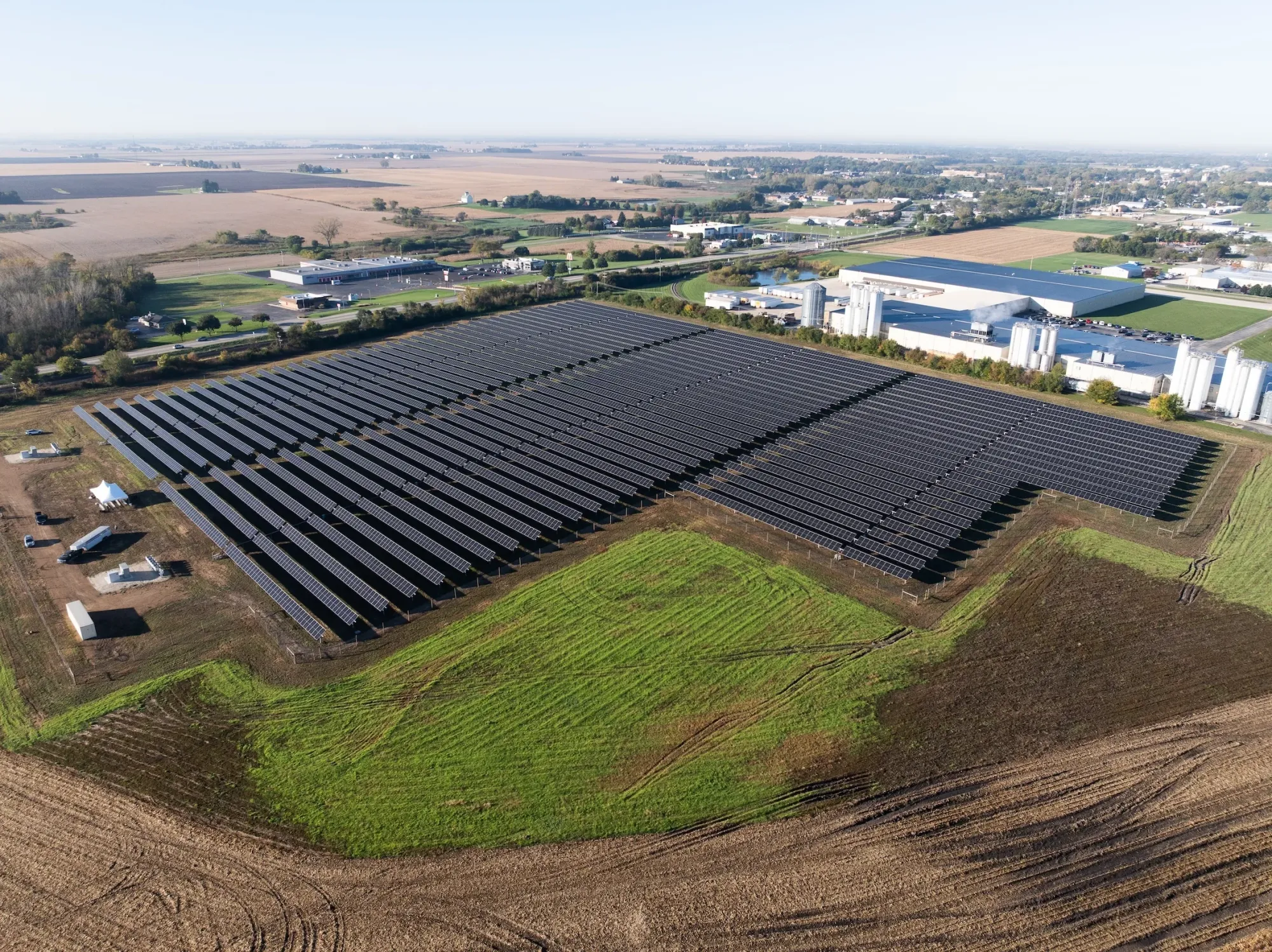
The ability to rapidly convert tax incentives into liquid capital is becoming a decisive factor in the scalability of distributed energy platforms. Aspen Power has secured a tax capital commitment covering the Investment Tax Credits (ITCs) generated by its 2026-2027 community solar portfolio, which includes up to 30 projects across multiple states. This transaction, facilitated through a partnership between Basis Climate and Excelsior Energy Capital, targets the monetization of credits under IRA Section 6418. By streamlining the underwriting and closing process for a multi-project bundle, the deal aims to demonstrate how integrated diligence platforms can reduce the friction typically associated with financing large-scale distributed generation and battery storage assets.
Basis Climate and Excelsior Energy Capital Execute First Portfolio Deal
The transaction marks the inaugural deployment under the Basis Climate–Excelsior partnership, a collaborative effort designed to deploy up to $150 million in minority equity into distributed generation solar and battery storage projects. Rather than processing individual assets, the partnership utilized Basis Climate’s diligence platform to underwrite the entire 30-project portfolio on an accelerated timeline. This approach allowed the entities to match the portfolio with a qualified buyer and close the deal using a single process that included integrated insurance.
Aspen Power, which is backed by Carlyle, will maintain ownership and long-term operation of these assets. The company currently owns, operates, or is actively building nearly 400 MW of capacity across 10 states. For Aspen Power, the primary objective of this structured transaction is to ensure predictable tax credit monetization, which the company identifies as a central component of its financial planning and construction funding. By leveraging the Basis Climate diligence expertise, Aspen Power seeks to convert tax credits to cash with greater efficiency, supporting its broader development pipeline that includes over 300 MW of operating assets.
Scaling Distributed Generation Through Accelerated Credit Monetization
This deal highlights a shifting requirement in the renewable energy sector: the need for "speed to power" to be matched by "speed to capital." As community solar and battery storage projects become more complex, the traditional, fragmented approach to tax credit monetization can create bottlenecks in project deployment. The Basis Climate–Excelsior model suggests that aggregating multiple projects into a single underwriting event can provide the commercial discipline required by large-scale developers to move capital through their construction cycles more effectively.
The use of IRA Section 6418 for the transfer of these Investment Tax Credits provides a standardized mechanism for developers to access liquidity without relying solely on traditional equity structures. By combining deep clean energy expertise with a technology-driven diligence platform, the partnership is testing whether it can meaningfully accelerate capital deployment into the middle-market solar and storage sectors. For distributed energy platforms, the ability to utilize a single closing process for a multi-state portfolio represents a potential shift toward more institutionalized and streamlined financing workflows in the distributed generation market.
Key Takeaways
- Aspen Power secured a tax capital commitment for up to 30 community solar projects scheduled for 2026-2027.
- The Basis Climate–Excelsior partnership aims to deploy up to $150 million in minority equity into solar and battery storage projects.
- The transaction utilizes IRA Section 6418 to facilitate the transfer of Investment Tax Credits (ITCs).
EnergyInsyte's Take
In our view, this transaction signals a maturing phase for the distributed energy market, where the bottleneck is no longer just project origination, but the velocity of capital recycling. Aspen Power’s reliance on a single, accelerated underwriting process for 30 projects demonstrates that large-scale developers are increasingly prioritizing "frictionless execution" over bespoke, asset-by-asset financing. This move toward portfolio-level tax credit monetization is a strategic necessity for companies attempting to scale across multiple states while managing the liquidity requirements of long-term asset ownership. The success of the Basis Climate–Excelsior partnership will likely depend on whether their technology-driven diligence can maintain this speed as they scale toward their $150 million annual investment target. If they can consistently reduce the time between credit generation and cash realization, they will provide a critical blueprint for how middle-market solar and storage developers navigate the complexities of the Inflation Reduction Act.
Questions & Answers
How does the Basis Climate–Excelsior partnership intend to deploy capital?
The partnership is structured to deploy up to $150 million of minority equity specifically into distributed generation solar and battery storage projects.
What specific regulatory mechanism is being used for this tax credit transaction?
The transaction involves the commitment for the transfer of Investment Tax Credits (ITCs) generated by the portfolio under IRA Section 6418.
What is the current scale of Aspen Power's operational footprint?
Aspen Power owns, operates, or is actively building nearly 400 MW of assets, with over 300 MW of those assets currently in operation across 10 states.
What strategic advantage does the portfolio-wide underwriting provide to the developer?
By underwriting 30 projects on a single timeline through a single process, the developer achieves greater certainty and efficiency in converting tax credits to cash, which is essential for funding construction and maintaining capital flow.
Source: Businesswire