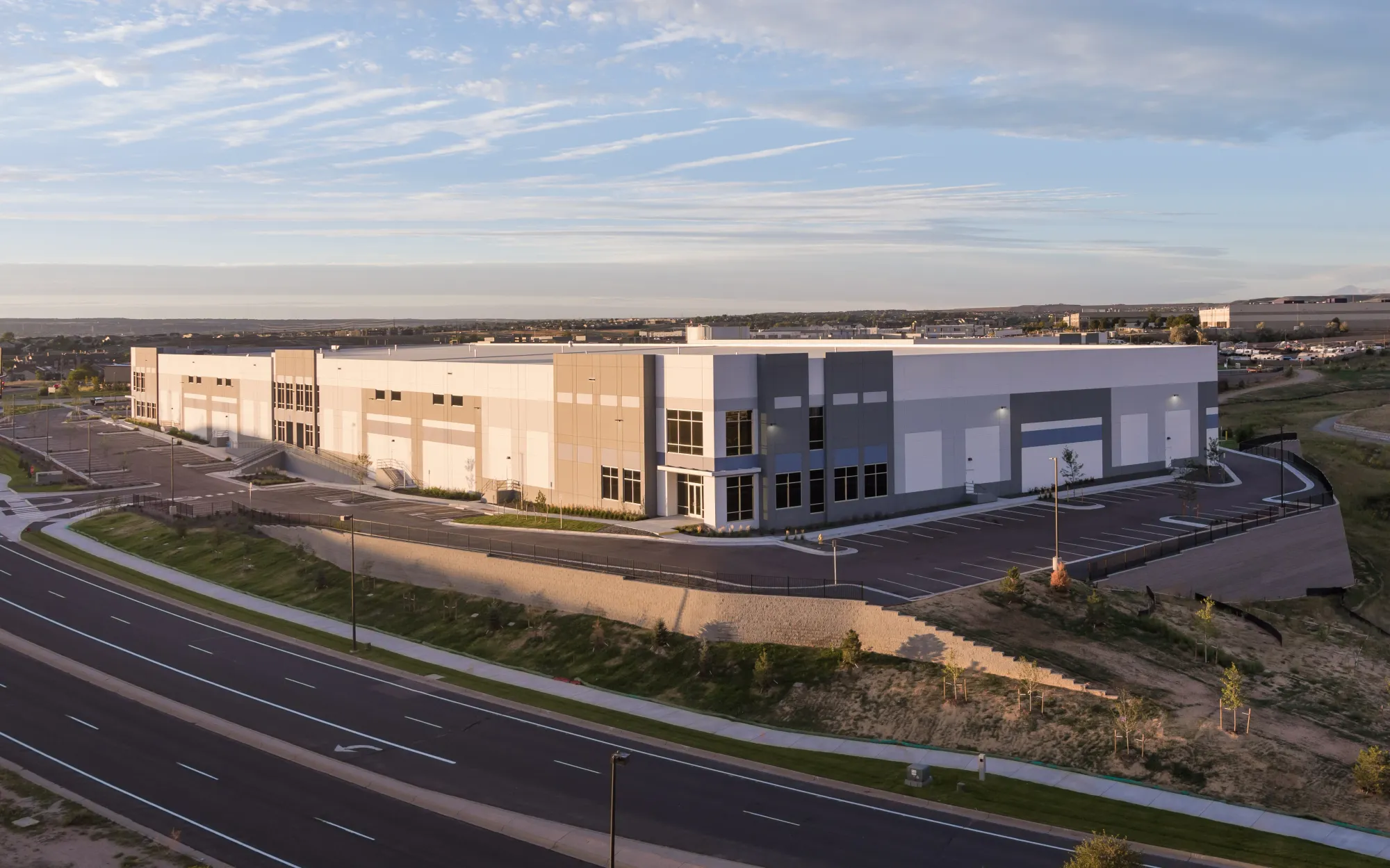

Bloom Energy and MiTAC Computing Technology Corp. have announced an expanded partnership to deploy fuel cell systems at MiTAC’s AI server manufacturing campus in Fremont, California. This project establishes an islanded microgrid to support high-performance server production. The move follows a previous installation at MiTAC’s San Jose facility, signaling a significant increase in Bloom’s total contracted onsite power capacity across these two critical California manufacturing sites.
MiTAC Fremont Campus Microgrid Deployment
The new project involves deploying Bloom fuel cell technology to create an islanded microgrid specifically for MiTAC’s manufacturing operations in Fremont. This infrastructure is designed to provide the necessary power for current production while offering the flexibility to scale capacity as demand for AI infrastructure rises. By utilizing an electrochemical process rather than combustion, these fuel cells address specific site constraints such as noise considerations, water availability, and complex permitting timelines. This deployment reinforces Bloom’s growing footprint within the AI supply chain, moving beyond traditional data centers to support the advanced manufacturers who build the hardware necessary for the global AI economy.
Rapid Growth in AI Infrastructure Segment
Bloom Energy is experiencing accelerated adoption within the AI infrastructure sector, growing from nearly zero to approximately 250 MW of capacity across nearly two dozen customers in just two years. This expansion highlights a broader trend where advanced manufacturers face power shortages similar to those experienced by AI data centers. As grid connection timelines become a bottleneck, organizations are increasingly turning to onsite power to bring capacity online at "AI speed." Bloom’s existing portfolio includes significant deployments for major entities such as American Electric Power (AEP), Brookfield, Equinix, Nebius, and Oracle, establishing a precedent for large-scale, reliable onsite power solutions.
Key Takeaways
- Bloom Energy will deploy a fuel cell microgrid at MiTAC’s AI server manufacturing campus in Fremont, California.
- Bloom’s AI infrastructure segment has grown to approximately 250 MW of capacity across nearly two dozen customers.
- The fuel cell technology uses an electrochemical process, bypassing traditional combustion-related issues like noise and water availability.
EnergyInsyte's Take
In our view, this expansion signals a critical shift in the AI power narrative. While much focus remains on data center consumption, the "AI supply chain"—specifically the manufacturers of high-performance servers—is facing identical grid constraints. Bloom’s ability to scale from zero to 250 MW in two years suggests that onsite microgrids are becoming a strategic necessity for industrial players who cannot afford to wait for utility interconnection. This move positions onsite power as a vital tool for maintaining manufacturing velocity in a power-constrained environment.
Questions & Answers
How does the MiTAC partnership impact Bloom Energy's California footprint?
The partnership expands Bloom's presence by adding a new fuel cell microgrid at MiTAC’s Fremont campus, building upon an existing installation at MiTAC’s San Jose facility and increasing total contracted capacity.
What specific operational advantages do fuel cells offer for AI manufacturers?
Fuel cells provide reliable onsite power through an electrochemical process, which avoids the noise, water usage, and lengthy permitting timelines often associated with traditional combustion-based power options.
What is the current scale of Bloom Energy's AI infrastructure segment?
Bloom currently serves nearly two dozen AI infrastructure customers, representing approximately 250 MW of capacity, a significant increase from nearly zero two years ago.
Why are manufacturers turning to onsite microgrids instead of the traditional grid?
Manufacturers are adopting onsite power to bypass grid-related power shortages and long interconnection timelines, allowing them to bring new production capacity online at the speed required by the accelerating AI economy.
Source: BLOOM ENERGY