Cargill is tightening the link between its industrial footprint and renewable energy procurement by expanding its electricity portfolio through new wind and solar projects in the central United States. By targeting assets within the Southwest Power Pool (SPP), the company aims to align its energy sourcing with the specific geographic regions where it operates large-scale food production and processing facilities. This strategic move involves securing capacity through virtual power purchase agreements (VPPAs) to mitigate emissions from electricity consumption. The expansion serves a dual purpose: reducing Cargill's own operational carbon footprint and addressing the Scope 3 requirements of its downstream customers. This development highlights a growing trend of industrial giants utilizing regional grid proximity to manage energy-related decarbonization goals while navigating complex, competitive energy markets.
Sweetland Wind and Choctaw Fields Solar Expansion
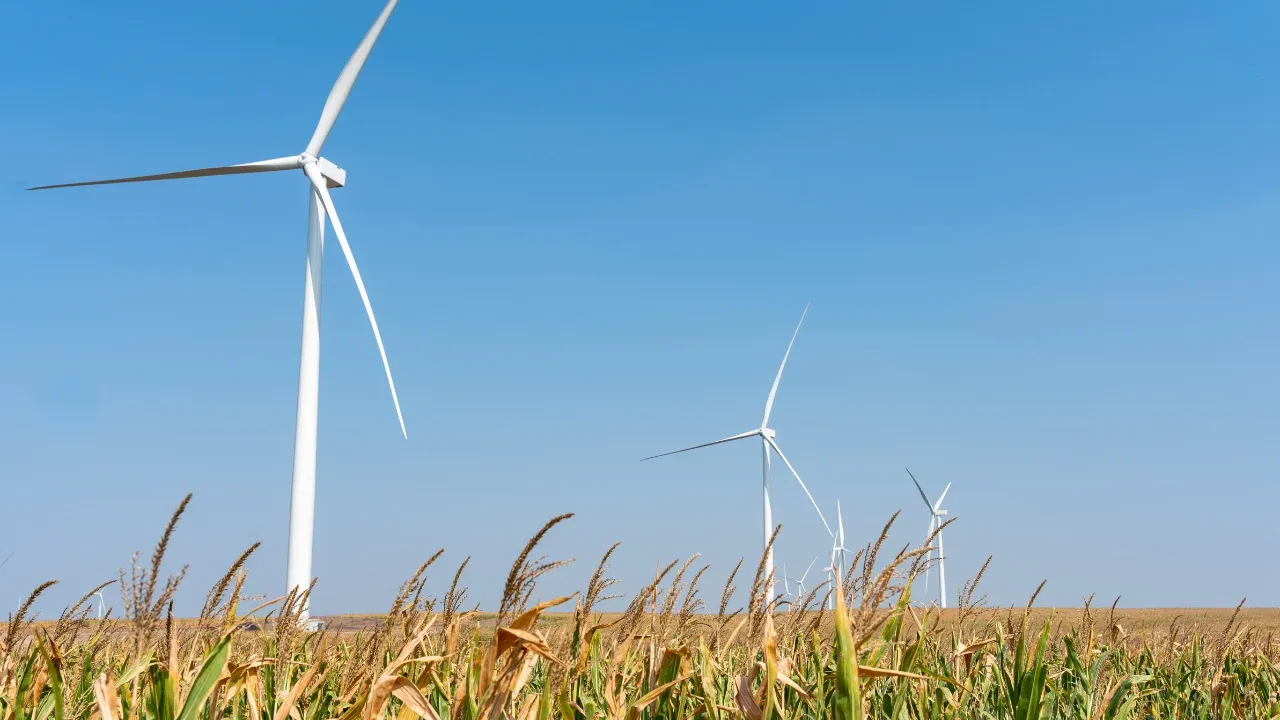
Cargill has secured a 12.6-year virtual power purchase agreement (VPPA) for 87 megawatts (MW) of wind power from the Sweetland Wind project located in South Dakota. According to the company, this agreement is expected to generate approximately 392,000 megawatt-hours (MWh) of renewable electricity annually. This specific project is projected to support a reduction of approximately 162,000 metric tons (MT) of carbon dioxide equivalent (CO2e) emissions per year from Cargill’s operations.
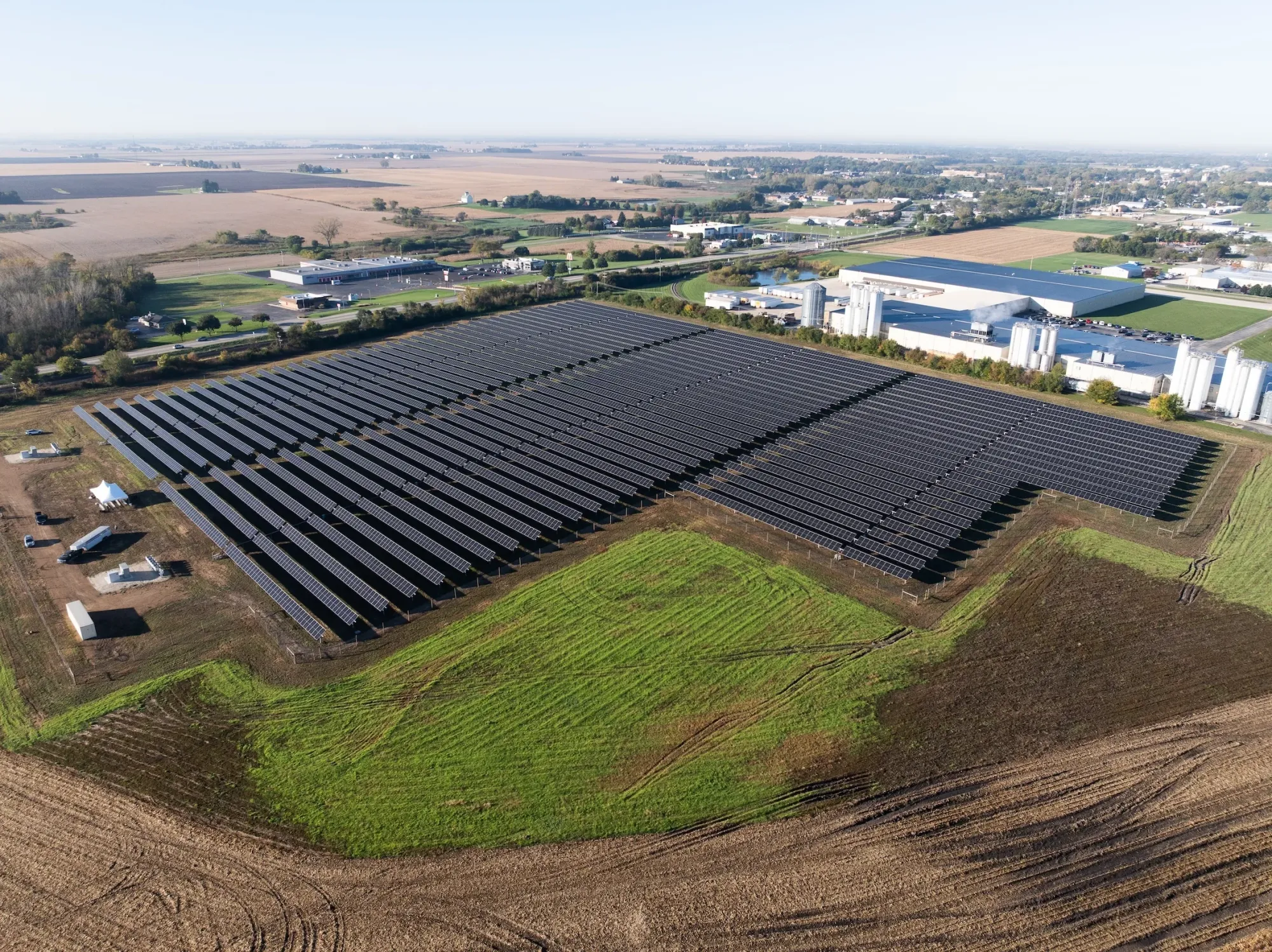
In addition to the South Dakota wind capacity, the company is leveraging a previously executed long-term VPPA for the full output of the 85 MW Choctaw Fields Solar project in Oklahoma. This solar asset began commercial operations in August 2026 and is projected to reduce approximately 1.30 million MT of CO2e emissions over the life of the agreement, which equates to roughly 86,000 MT annually. When combined, Cargill expects these two specific projects to support approximately 3.3 million MT of emissions reductions over their respective contract terms. These assets are situated within the Southwest Power Pool (SPP), a regional grid that serves much of the central United States, providing a direct connection between the company's energy procurement and its regional processing hubs for beef, sweeteners, and feed ingredients.
Strategic Alignment with SPP Grid Infrastructure
The decision to focus procurement within the Southwest Power Pool (SPP) underscores a strategy of regionalized energy management. By selecting projects in Oklahoma and South Dakota, Cargill is positioning its renewable energy attributes to offset the electricity consumption of its existing facilities in those same territories. This approach allows the company to address its goal of reducing absolute Scope 1 and 2 emissions by 25% by 2035, using a 2020 baseline.
Furthermore, the company is utilizing VPPAs as a primary mechanism for this expansion. Under these contracts, the electricity is delivered to the regional grid rather than directly to Cargill's facilities, but the company receives the associated environmental attributes. This method allows Cargill to support renewable energy development while maintaining operational flexibility. The company is also framing this expansion as a value proposition for its customer base. Because Cargill sits within the supply chains of various global entities, reducing the emissions linked to its food production and processing helps those customers meet their own stated emissions reduction targets. This creates a feedback loop where industrial decarbonization becomes a critical component of broader supply chain sustainability.
Key Takeaways
- Cargill secured an 87 MW wind VPPA for the Sweetland Wind project in South Dakota, expected to generate 392,000 MWh of renewable electricity annually.
- The 85 MW Choctaw Fields Solar project in Oklahoma is projected to reduce approximately 1.30 million MT of CO2e emissions over its contract life.
- The combined impact of these two projects is expected to support approximately 3.3 million MT of emissions reductions over their contract terms.
EnergyInsyte's Take
In our view, Cargill’s move to concentrate renewable procurement within the Southwest Power Pool (SPP) represents a sophisticated approach to "geographic decarbonization." Rather than simply buying unbundled renewable energy credits anywhere in the world, Cargill is attempting to align its environmental attributes with the physical reality of its operational footprint. This regional focus suggests a move toward more meaningful Scope 2 management that acknowledges the importance of grid-specific impacts. Furthermore, by explicitly linking these projects to customer emissions goals, Cargill is treating decarbonization as a product feature rather than just a compliance cost. This signals that for large-scale industrial players, the ability to provide "low-carbon" ingredients is becoming a competitive necessity in a market where downstream customers are increasingly sensitive to the embedded carbon in their supply chains.
Questions & Answers
How does Cargill's use of VPPAs impact its physical energy supply?
The electricity from these projects is delivered to the regional electricity grid rather than directly to Cargill's specific facilities. However, through the VPPA, Cargill receives the environmental attributes associated with the renewable energy, allowing the company to claim the emissions reductions for its operational footprint.
What is the strategic importance of the Southwest Power Pool (SPP) location?
The projects are located within the SPP, the same regional grid that serves many of Cargill's large-scale food production and processing facilities in the central United States. This allows the company to connect its energy sourcing more directly to the regions where its beef, sweetener, and feed ingredient operations are situated.
What are the specific emissions reduction targets mentioned in the announcement?
Cargill is working toward a goal of reducing its absolute Scope 1 and 2 emissions by 25% by 2035, measured against a 2020 baseline. The Sweetland Wind and Choctaw Fields Solar projects are expected to contribute a combined 3.3 million MT of emissions reductions over their contract terms toward this objective.
How does this energy strategy benefit Cargill's customers?
Because Cargill's operations are integrated into the supply chains of its customers, the reduction in emissions from Cargill's electricity consumption helps lower the total emissions associated with the products those customers source, thereby supporting their own emissions reduction goals.
Source: Cargill