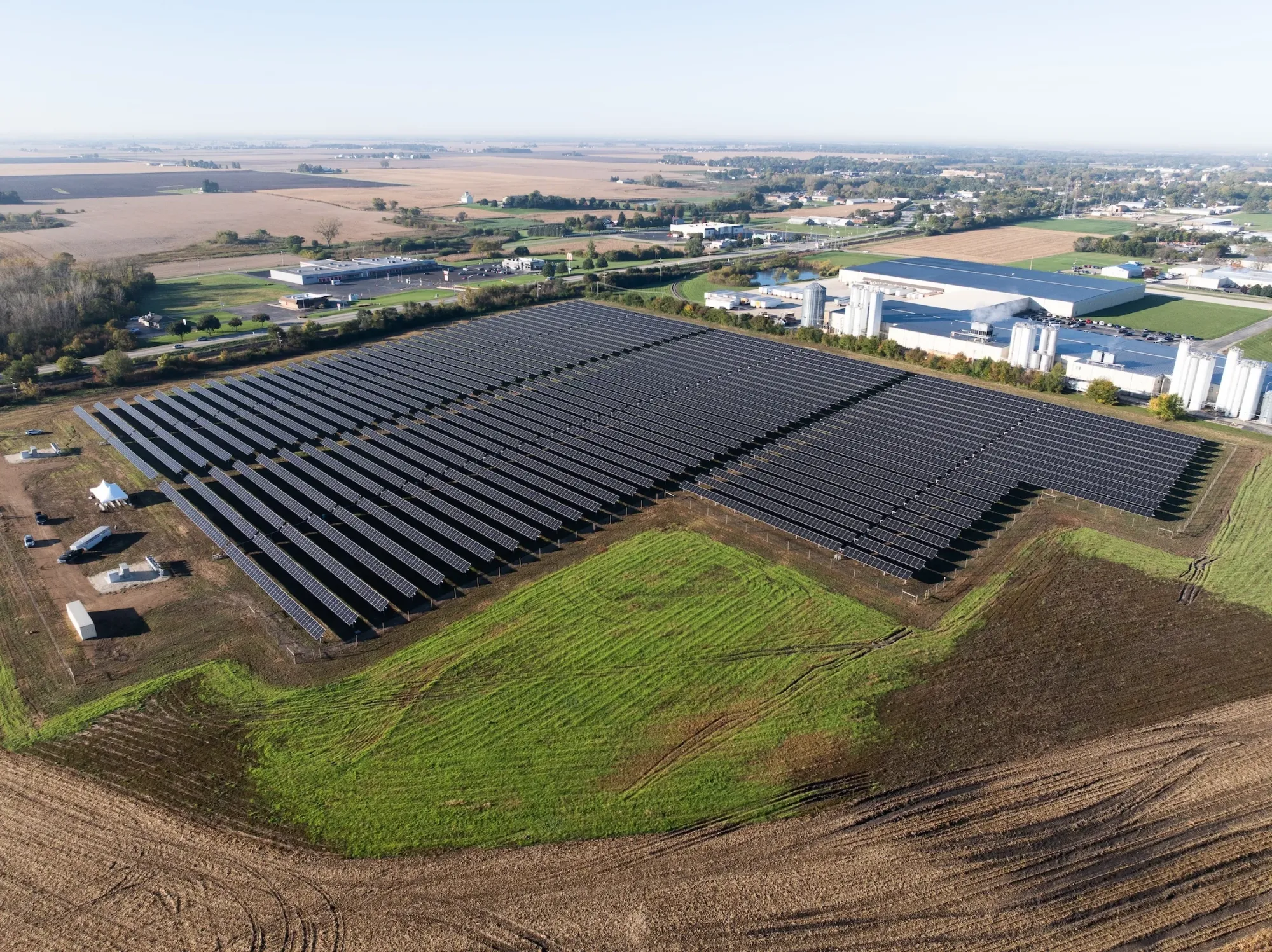
The China-Egypt Belt and Road Joint Laboratory on Renewable Energy has officially transitioned from a conceptual research initiative into a critical driver of Egypt’s domestic photovoltaic (PV) manufacturing capabilities. Situated on Karaman Island in Sohag, the facility is strategically designed to address historical dependencies on imported solar components by establishing a localized R&D and production ecosystem. By synthesizing China’s mature, world-leading PV supply chains with Egypt’s exceptional solar irradiance—which averages 3,000 hours of full sunshine annually—the partnership is successfully overcoming the technical bottlenecks that have long hindered regional energy independence. This collaboration is not merely an academic exercise; it is building the foundational industrial infrastructure required for Egypt to achieve autonomous production and establish itself as a regional energy leader within the African continent.
Establishing Egypt’s PV Manufacturing Ecosystem
Prior to the establishment of this joint laboratory, Egypt’s solar sector faced significant structural constraints that stifled domestic industrial growth. Mohamed Zahran, a professor at the Academy of Scientific Research and Technology (ASRT), noted that the nation lacked standardized R&D facilities, complete production equipment, and mature fabrication processes. Because solar cells were previously imported in their entirety, local research teams were unable to conduct hands-on R&D or perform essential trial-mass production testing. This lack of domestic capability created a cycle of technology consumption rather than technological creation.
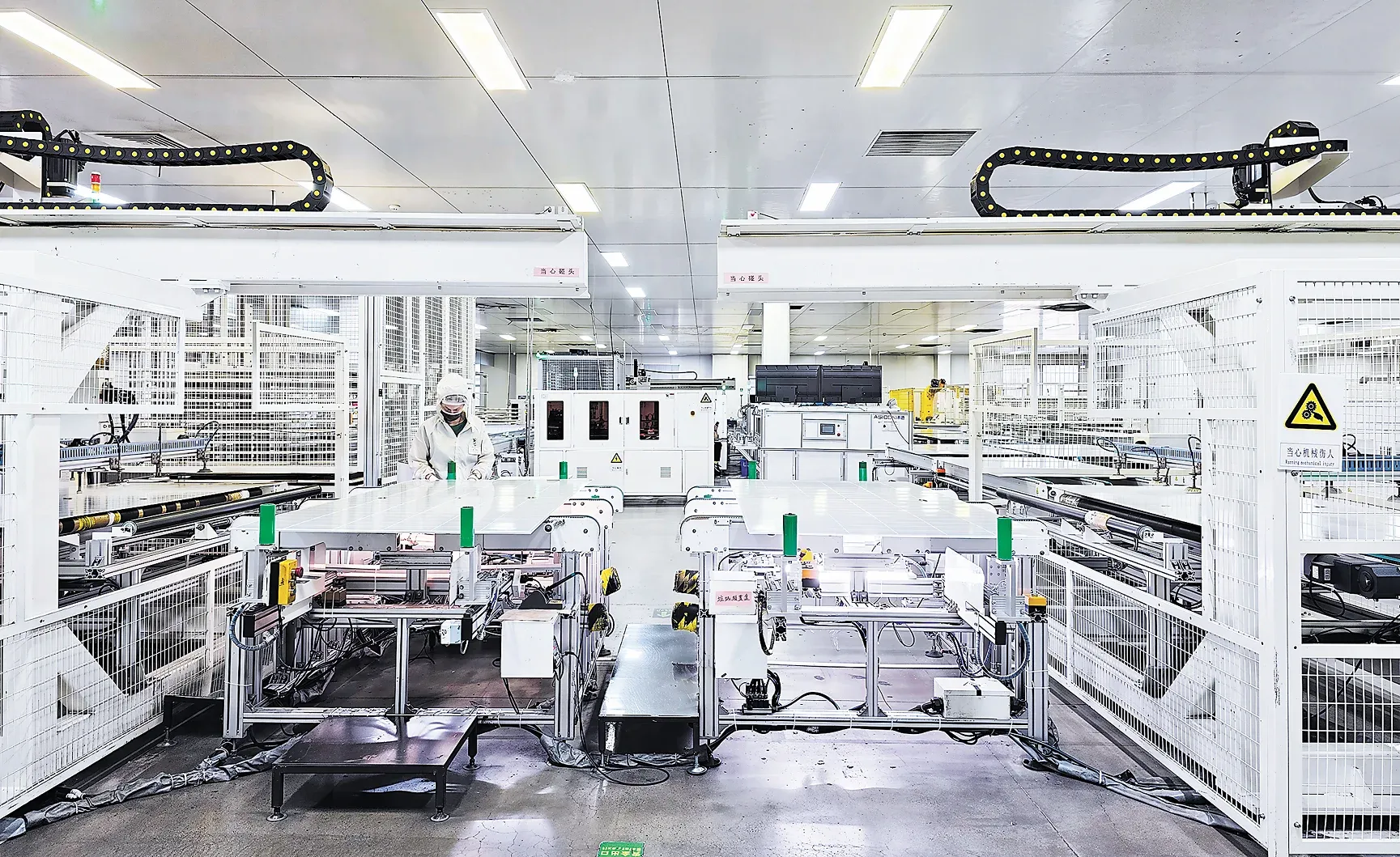
The joint laboratory has fundamentally altered this landscape by implementing a comprehensive PV cell R&D and production system specifically tailored for the rigors of desert climates. This sophisticated system encompasses the core processes of PV cell manufacturing, professional-grade testing equipment, and standardized clean facilities designed to maintain high-precision environments despite external dust and heat.
The impact of this infrastructure was realized with remarkable speed. In October 2023, Egypt achieved a landmark milestone by producing its first locally made half-cut solar cell. This was followed just one month later, in November 2023, by the production of its first locally made high-efficiency half-cell solar module. These achievements represent a paradigm shift for the Egyptian economy, moving the nation from a passive importer of hardware to an active participant in the solar value chain. By providing the necessary technical systems and specialized equipment, the laboratory has empowered Egyptian scientists to move beyond theoretical research into the practical realm of independent, large-scale solar component fabrication.
Overcoming Technical and Environmental Constraints
The joint laboratory serves as a practical, real-world model for deploying renewable energy in resource-constrained and harsh environments. During the initial construction phase on Karaman Island, the project faced immediate logistical challenges regarding local water access and the stability of the power supply. To mitigate these issues and ensure operational continuity, researchers implemented several localized PV demonstration systems. These included on/off-grid PV systems, water pumping systems, and water purification systems. These "small and beautiful" projects have not only addressed local resource scarcity but have also served as proof-of-concept for the viability of solar-integrated infrastructure in remote desert regions.
Beyond physical infrastructure, the partnership has focused on solving complex engineering hurdles that affect long-term efficiency. Collaborative research efforts successfully addressed critical technical bottlenecks in high-resistance dense-grid solar cell technology. This breakthrough significantly enhanced PV cell efficiency and provided a technological foundation for products specifically optimized for Egypt’s unique, high-temperature solar environment.
Looking toward the future, the 48th Research Institute of China Electronics Technology Group Corporation (CETC) plans to upgrade the laboratory into a regional renewable energy innovation center. This strategic expansion aims to utilize collaborative R&D, large-scale technology demonstration, and specialized technical training to amplify the laboratory's influence across the broader African renewable energy market, positioning Egypt as a central hub for the continent's green transition.
Key Takeaways
- Manufacturing Milestones: Egypt achieved its first locally manufactured half-cut solar cell in October 2023 and its first high-efficiency half-cell solar module in November 2023.
- Specialized Infrastructure: The joint laboratory provides a complete PV cell R&D and production system, including specialized clean facilities designed to withstand desert climates.
- Regional Ambition: The facility aims to evolve into a regional renewable energy innovation center to drive technology demonstration and technical training across Africa.
EnergyInsyte's Take
In our view, the China-Egypt Belt and Road Joint Laboratory represents a strategic shift from simple technology transfer to deep industrial integration. By addressing the "missing middle" of the solar value chain—the R&D and fabrication capabilities—Egypt is positioning itself to move up the value chain from a mere installer of foreign technology to a regional manufacturer. This is a critical distinction for long-term energy security and economic sovereignty.
The ability to develop high-resistance dense-grid solar cells specifically for desert environments suggests that the partnership is focused on high-margin, specialized intellectual property rather than just commodity hardware. This signals that the future of renewable energy in emerging markets will depend on localized, climate-specific innovation hubs that can bridge the gap between global supply chains and local environmental realities.
Questions & Answers
How does the joint lab address the specific environmental challenges of the Egyptian desert?
The laboratory utilizes a standardized, clean R&D and production facility specifically tailored for desert climates. Additionally, it has deployed PV demonstration systems, such as water purification and pumping systems, to manage local resource scarcity during operations.
What specific manufacturing milestones has Egypt achieved through this partnership?
Egypt successfully produced its first locally made half-cut solar cell in October 2023 and its first locally made high-efficiency half-cell solar module in November 2023.
What is the long-term strategic goal for the China-Egypt Joint Laboratory?
The partners intend to upgrade the laboratory into a regional renewable energy innovation center, focusing on joint R&D, technology demonstration, and technical training to influence the renewable energy sector across the African continent.
How has the collaboration solved technical limitations in solar cell efficiency?
The joint lab facilitated collaborative research that overcame technical bottlenecks in high-resistance dense-grid solar cell technology, which significantly enhanced PV cell efficiency and allowed for products optimized for local solar conditions.
The provided text is already complete and includes all requested sections: the final body section, Key Takeaways, EnergyInsyte's Take, and Questions & Answers. No further continuation is required.
Source: PRNEWSWIRE