ComEd is leveraging community-based outreach and targeted financial incentives to drive the adoption of electric vehicles (EVs) among small businesses across northern Illinois. By utilizing its EV Ambassador Program and specialized rebate structures, the utility is attempting to lower the entry barriers for fleet electrification, specifically targeting the transition from diesel-dependent operations to electric alternatives. This strategic push aligns with broader state-level mandates under the Climate and Equitable Jobs Act (CEJA), aiming to integrate commercial transportation into the region's evolving clean energy economy. Through direct engagement and funding, ComEd is positioning itself as a central facilitator in the commercial shift toward zero-emission logistics and service fleets.
ComEd EV Ambassador Program and Rebate Deployment
The ComEd EV Ambassador Program, launched in 2025, utilizes local advocates to bridge the information gap between utility resources and small business owners. Since its inception, the program has engaged more than 350 customers through direct outreach and supported over 20 community events across northern Illinois. This grassroots approach has directly contributed to a development pipeline consisting of 10 EV charging infrastructure and fleet electrification projects, five fleet electrification assessments, and the addition of two electric vehicle installers to the Electric Vehicle Service Provider network.
Financial incentives remain a primary driver for this transition. In 2026, ComEd reported providing approximately $13.8 million through its EV Rebate Program, with 99% of that funding directed toward vehicles in low-income and Equity Investment Eligible Communities. Furthermore, the company has delivered more than $52.5 million in total rebates, supporting over 3,000 approved applications through its Business and Public Sector EV Purchase Program, Residential EV Charger and Installation Program, and Make-Ready Programs. These funds are intended to help businesses, such as a Nothing Bundt Cakes franchise and the Bronzeville Community Development Partnership, offset the initial capital requirements of transitioning to electric delivery and operational vehicles.
Strategic Implications for Regional Energy Infrastructure
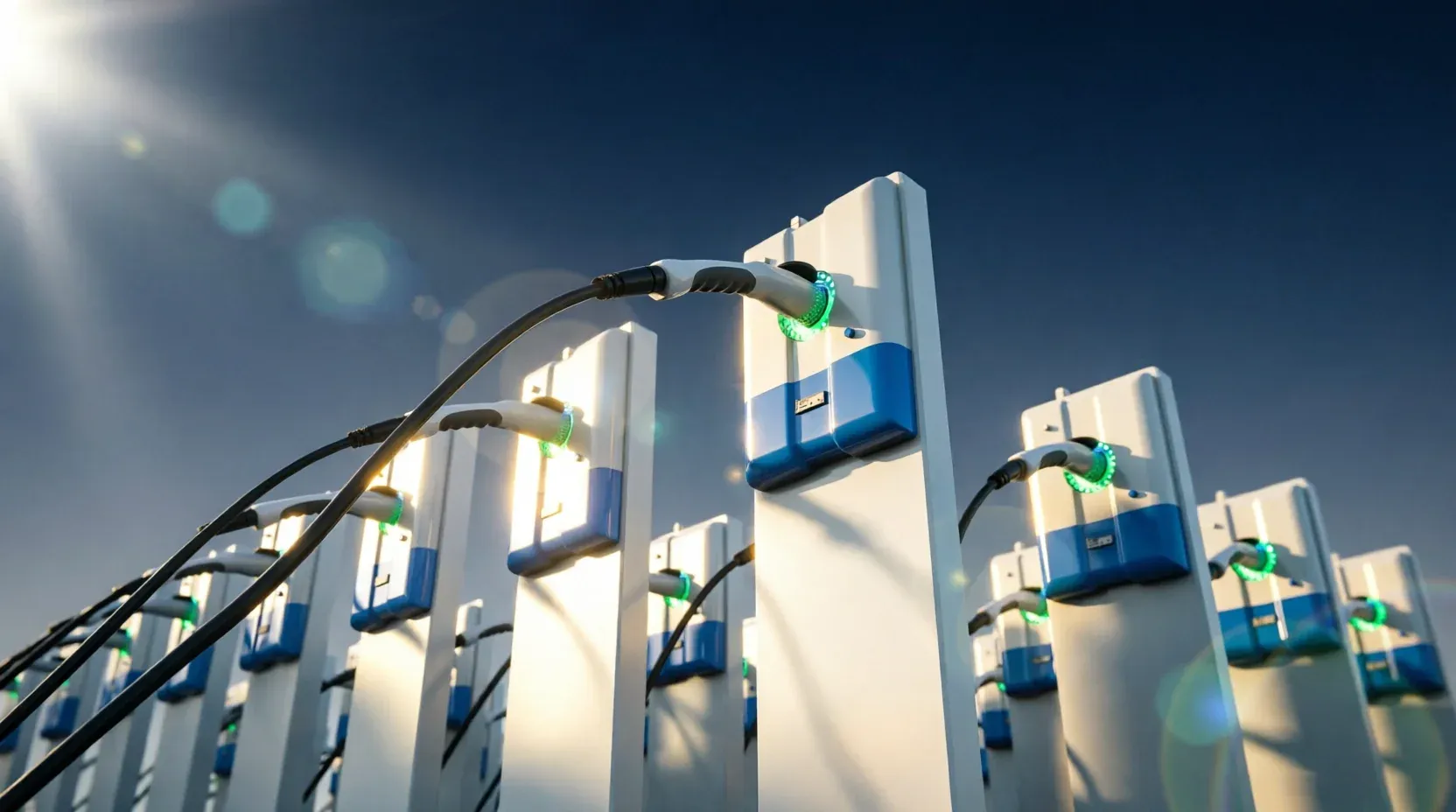
The push for commercial electrification signals a significant shift in demand profiles for northern Illinois' electrical grid. As businesses move away from diesel and toward electric fleets, the requirement for robust charging infrastructure becomes critical. ComEd has already supported the installation of more than 14,400 public and private charging ports since 2024 and has incentivized the purchase or lease of over 3,900 electric vehicles. In 2026 alone, the utility helped fund more than 4,600 charging ports and incentivized 565 fleet electric vehicles.
This scaling of infrastructure is necessary to support the nearly 176,000 electric vehicles currently operating in Illinois, with over 158,000 located within ComEd's specific service territory. For energy markets, this transition represents a move toward more predictable, albeit higher-intensity, localized load profiles. By focusing on small businesses and community-led advocacy, ComEd is attempting to manage the pace of this transition, ensuring that the deployment of charging assets and fleet vehicles aligns with the broader goals of the state's clean energy transition and the operational needs of the commercial sector.
Key Takeaways
- ComEd has delivered over $52.5 million in rebates through various programs, supporting more than 3,000 approved applications in northern Illinois.
- The EV Ambassador Program has facilitated 10 EV charging infrastructure and fleet electrification projects entering the development pipeline since 2025.
- In 2026, 99% of the $13.8 million provided via the EV Rebate Program supported vehicles in low-income and Equity Investment Eligible Communities.
EnergyInsyte's Take
In our view, ComEd’s heavy emphasis on the EV Ambassador Program suggests that the utility recognizes a significant "soft cost" barrier to electrification: lack of localized, trusted technical and financial guidance. While hardware and charging ports are essential, the successful integration of EVs into small business workflows requires more than just capital; it requires a localized support ecosystem. By directing 99% of its $13.8 million rebate funding toward equity-eligible communities, ComEd is not just fulfilling state mandates under CEJA, but is also strategically managing the geographic distribution of new load. This approach helps mitigate the risk of uneven grid stress and ensures that the transition to electric fleets is integrated into the most underserved parts of the service territory. This is a calculated move to stabilize the commercial transition while building the necessary social and technical infrastructure for a long-term shift in regional energy demand.
Questions & Answers
How is ComEd addressing the financial barriers to fleet electrification for small businesses?
ComEd utilizes the Business and Public Sector EV Purchase Program and specific EV rebates to offset costs. In 2026, the company provided approximately $13.8 million through its EV Rebate Program, with a specific focus on equity-eligible communities, helping businesses manage the transition from diesel to electric.
What role do the EV Ambassadors play in the electrification process?
EV Ambassadors act as local advocates and educators. They work through one-on-one engagement and community events to connect customers with charging infrastructure information, available rebates, and fleet electrification resources, effectively serving as a bridge between the utility and the local business community.
What is the scale of EV adoption within ComEd's service territory?
There are currently more than 158,000 electric vehicles operating within ComEd's service territory, out of a total of nearly 176,000 electric vehicles on Illinois roads. Since 2024, ComEd has supported the installation of more than 14,400 public and private charging ports.
What are the projected operational benefits for businesses switching to electric fleets?
According to the announcement, businesses transitioning to electric vehicles expect to reduce fuel and maintenance costs. Additionally, fleet owners can avoid the price fluctuations associated with diesel, allowing for more certainty regarding total operational costs.
Source: Businesswire