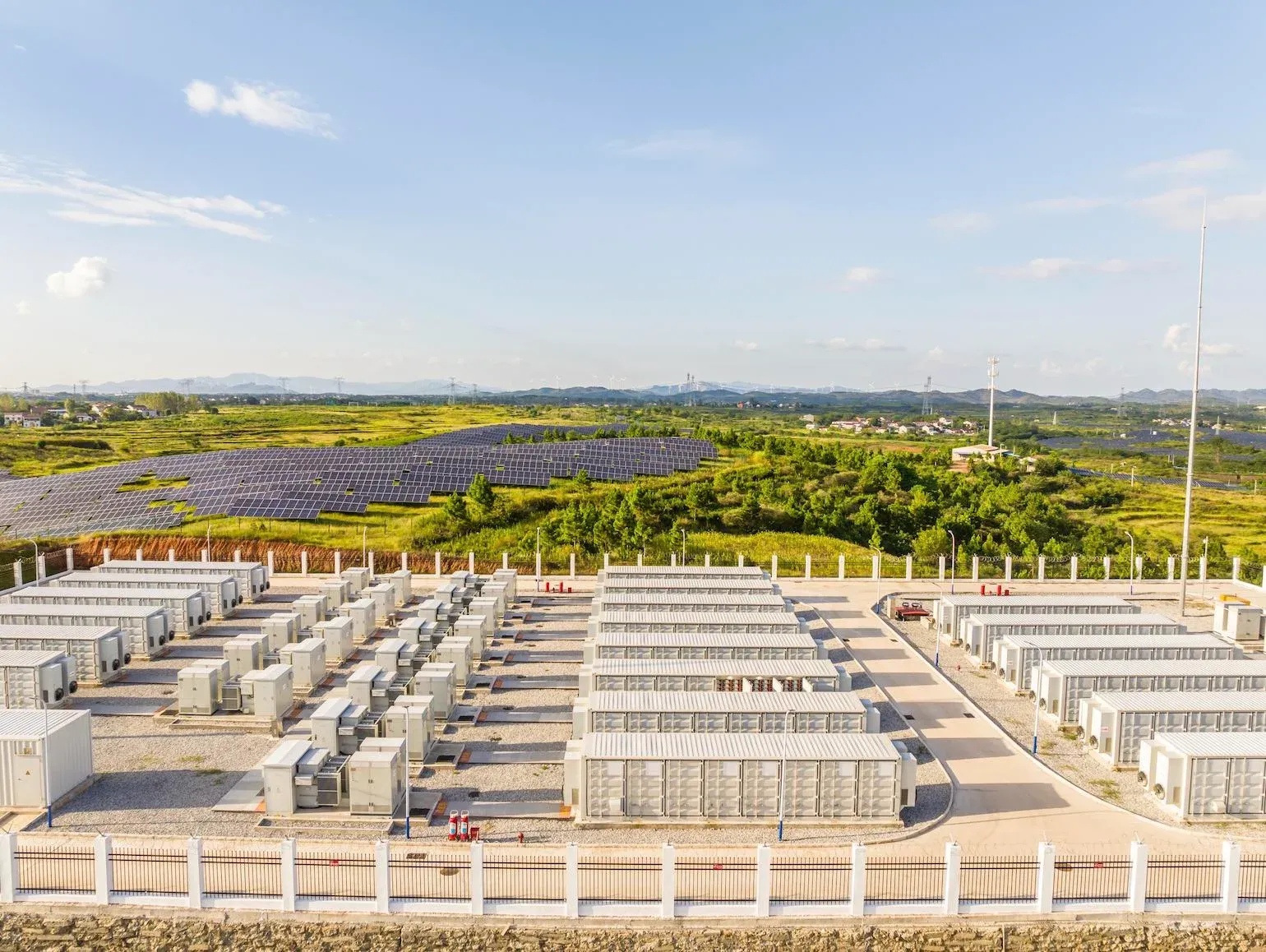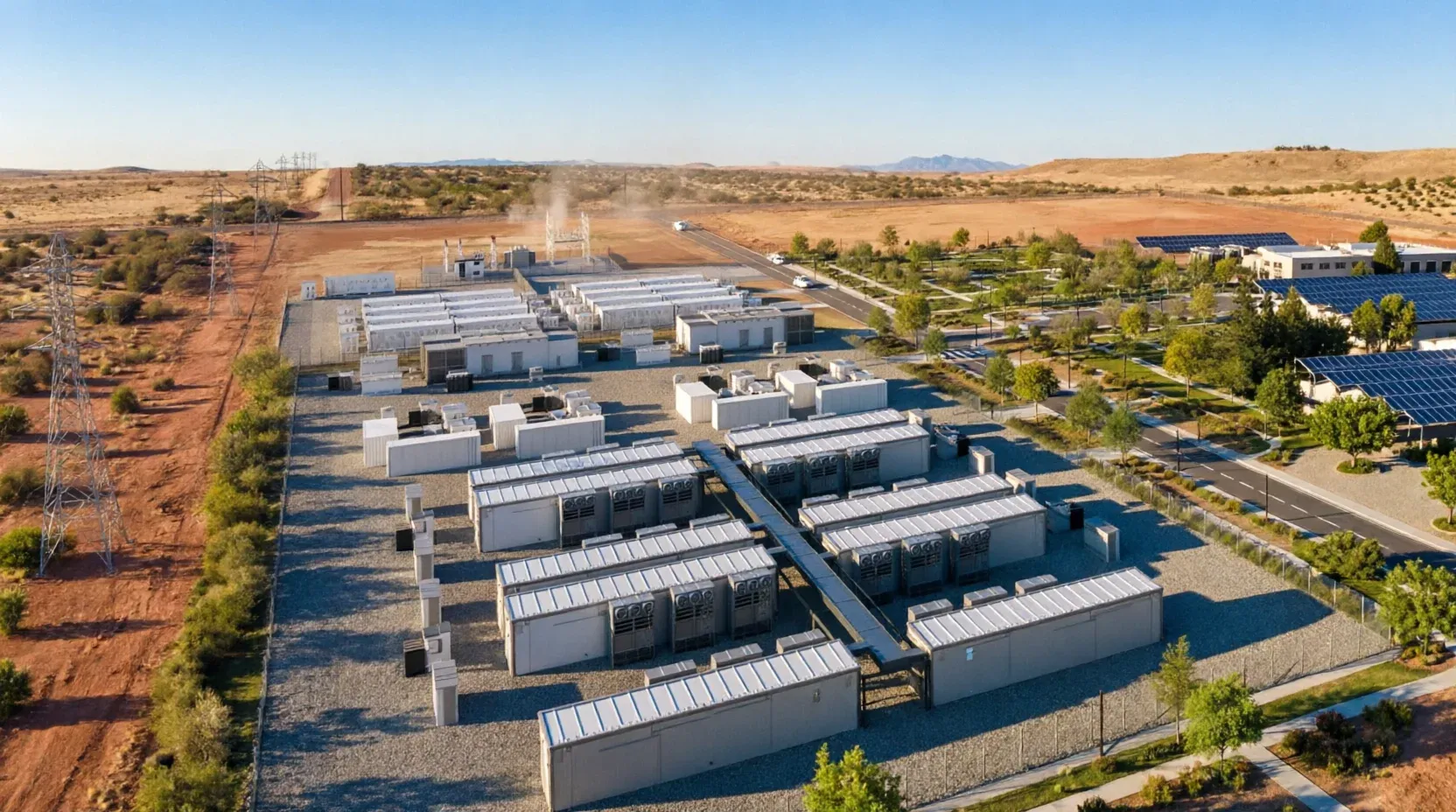
Energy Vault is moving to transition from a pure-play technology provider to a significant owner-operator of long-duration energy storage assets by securing critical regulatory milestones in Australia. The company announced that the New South Wales Government has granted State Significant Development Approval (SSD-75680468) for its 125 MW / 1 GWh Stoney Creek Battery Energy Storage System (BESS) located in Narrabri. This regulatory clearance, following the company's outright acquisition of the project land, effectively de-risks the development path for the eight-hour duration asset. By securing both land and state-level consent, Energy Vault is positioning the Stoney Creek project as a cornerstone of its "Build, Own & Operate" strategy, aiming to convert large-scale storage capacity into predictable, long-term recurring revenue streams for its global infrastructure portfolio.
Stoney Creek Development and Construction Timeline
The granting of State Significant Development Approval follows a comprehensive environmental and planning assessment conducted by the NSW Department of Planning, Housing and Infrastructure. This process included a public exhibition of the Environmental Impact Statement and extensive consultation with various government agencies, local stakeholders, and organizations such as the Narrabri Shire Council and the Narrabri Local Aboriginal Land Council. Energy Vault has already completed geotechnical works on the site as of late August 2026, signaling that the project is moving rapidly from the planning phase into physical execution.
According to the company, site works and mobilization are expected to commence in the fourth quarter of 2026. The project is currently slated to begin commercial operations in the first half of 2028, provided that all remaining conditions and customary project requirements are satisfied. To manage the asset once it is online, Energy Vault plans to deploy its VaultOS™ energy management platform. This software is intended to optimize asset performance, lifecycle operations, and market participation. The project is designed to provide eight hours of dispatchable energy storage capacity, a specification intended to support grid reliability and the integration of renewable generation within the New South Wales power system.
Revenue Modeling via LTESA and Merchant Markets
The financial structure of the Stoney Creek BESS relies on a hybrid revenue model designed to balance stability with market upside. A central component of this framework is a 14-year Long-Term Energy Service Agreement (LTESA) awarded through AEMO Services under the New South Wales Electricity Infrastructure Roadmap. This agreement is intended to provide a foundation of long-term contracted revenue support, which the company believes will mitigate the volatility typically associated with pure merchant energy markets.
In addition to the LTESA, Energy Vault expects to capture anticipated merchant revenues to bolster the project's total income. The company projects that the combination of these two revenue streams will support approximately US$25–30 million in annual recurring revenue once the facility becomes operational in 2028. This financial target is a key metric for Energy Vault’s broader strategic shift toward owning and operating infrastructure. By retaining the long-term economics of the asset rather than merely selling the technology, the company aims to build a growing global base of recurring infrastructure revenues. The Stoney Creek project serves as a flagship asset for this specific portfolio, testing the company's ability to manage the full lifecycle of large-scale storage from development through to long-term commercial operation.
Key Takeaways
- The Stoney Creek BESS in Narrabri, NSW, has received State Significant Development Approval for its 125 MW / 1 GWh capacity.
- Energy Vault expects to begin site works and mobilization in Q4 2026, with commercial operations targeted for H1 2028.
- The project is supported by a 14-year LTESA and is projected to generate approximately US$25–30 million in annual recurring revenue.
EnergyInsyte's Take
In our view, the Stoney Creek approval is less about the specific battery technology and more about Energy Vault's aggressive pivot toward an infrastructure-owner model. By securing the land, the state approval, and a 14-year LTESA, the company is effectively attempting to de-risk the capital-intensive transition from a software/hardware vendor to a utility-scale asset operator. The projected US$25–30 million in annual recurring revenue provides a tangible benchmark for how the company intends to scale its "Build, Own & Operate" strategy globally. However, the success of this model hinges on the company's ability to execute the construction phase on schedule and successfully navigate the complexities of managing a merchant-exposed asset. If Stoney Creek meets its H1 2028 operational target, it will serve as a critical proof-of-concept for Energy Vault's ability to generate predictable cash flows from long-duration storage in highly regulated energy markets.
Questions & Answers
How does the LTESA impact the project's financial risk profile?
The 14-year Long-Term Energy Service Agreement (LTESA) provides a layer of contracted revenue support through AEMO Services. This is intended to provide long-term stability, which, when combined with merchant market revenues, is expected to support US$25–30 million in annual recurring revenue, reducing the project's exposure to pure market volatility.
What is the strategic significance of the "Build, Own & Operate" model for Energy Vault?
This model allows the company to move beyond one-time technology sales and instead capture the long-term economic value of energy assets. By owning and operating the infrastructure, Energy Vault aims to build a growing base of recurring revenue through the lifecycle of the assets it develops.
What are the key milestones for the Stoney Creek project timeline?
Geotechnical works were completed in late August 2026. The company expects to begin site works and mobilization in Q4 2026, with the goal of commencing commercial operations in the first half of 2028.
How will the Stoney Creek BESS support the New South Wales grid?
The project is designed to provide 125 MW / 1 GWh of capacity, offering eight hours of dispatchable energy storage. This is intended to provide critical capacity to the power system, supporting grid reliability and the integration of renewable energy generation.
Source: Energy Vault