The successful large-scale deployment of advanced nuclear reactors in the United States depends heavily on a specialized labor pool that currently faces significant supply constraints. To address this bottleneck, Westinghouse Electric Company and the University of South Carolina (USC) have entered into a memorandum of understanding to develop a multidisciplinary nuclear workforce. This partnership aims to support the fleet deployment of AP1000® reactors by leveraging USC’s planned Nuclear Innovation Center. By linking academic research with industrial expertise, the organizations are attempting to build the technical talent and infrastructure required to meet rising electricity demand and support a national rollout of Generation III+ nuclear technology.
Westinghouse and USC Nuclear Innovation Center Collaboration
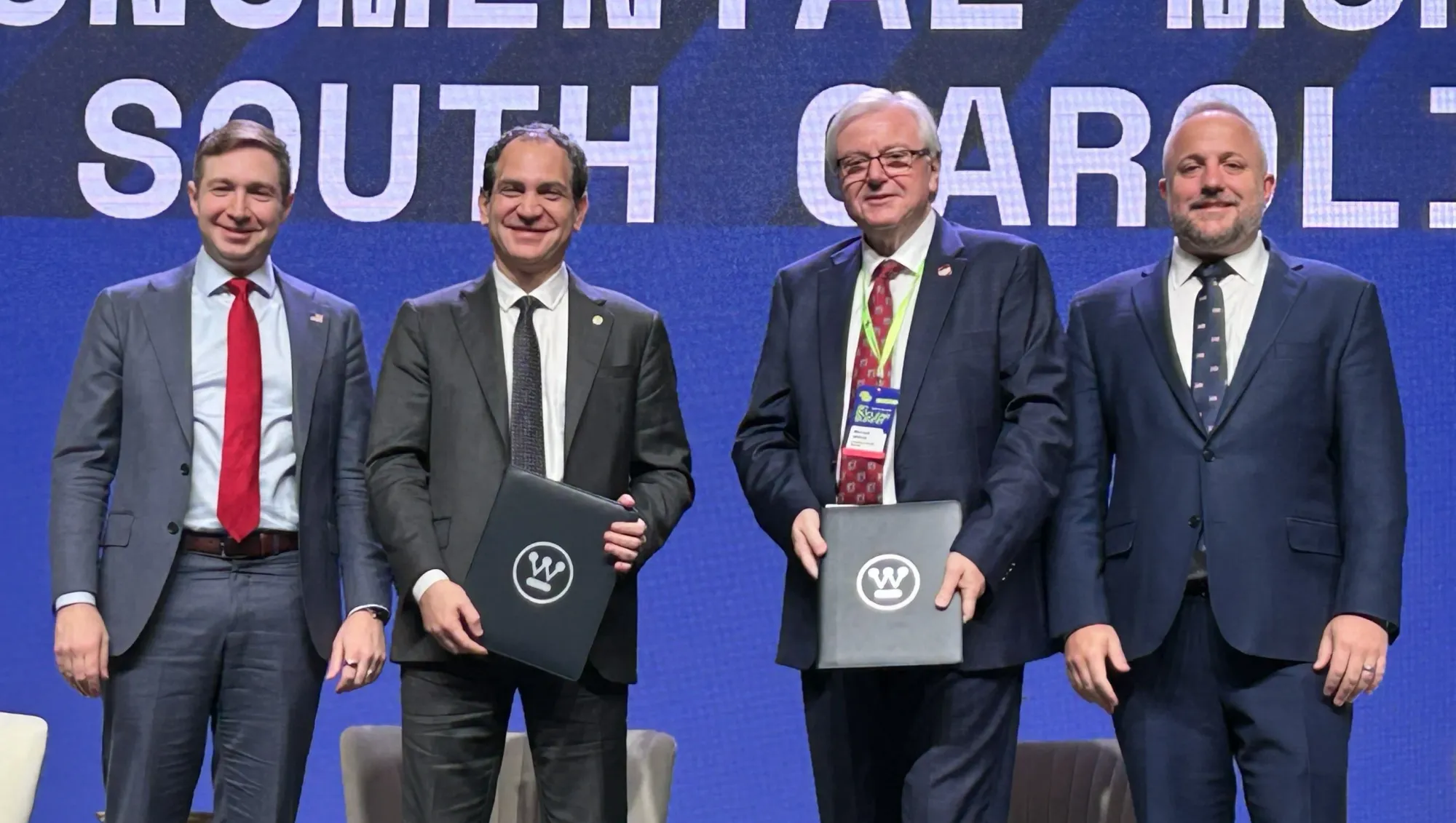
The agreement, signed during the Third Annual South Carolina Nuclear Summit in Columbia, focuses on creating a specialized training ecosystem centered at the USC Molinaroli College of Engineering and Computing. Westinghouse is positioning this collaboration to facilitate the deployment of its AP1000 advanced modular reactors, which provide 1.150 gigawatts of electricity—enough to power approximately 750,000 U.S. homes. The partnership intends to explore the creation of a first-of-its-kind training center designed to prepare various workforce disciplines for large-scale nuclear deployment.
Specific technical training capabilities under discussion include state-of-the-art digital AP1000 simulators. These simulators would allow plant operators and students to train in replica control rooms that mimic actual plant operating conditions. Additionally, the program aims to develop hands-on construction labs. These facilities would provide training for craft, construction, and maintenance roles while testing new technologies such as digital work packages, wearables, augmented reality (AR), virtual reality (VR), and AI-enabled execution. The initiative also includes a proposed multidisciplinary certificate program for students in mechanical, electrical, industrial, and civil engineering to prepare them for specialized careers within the nuclear energy sector.
Scaling the AP1000 Fleet via Specialized Labor
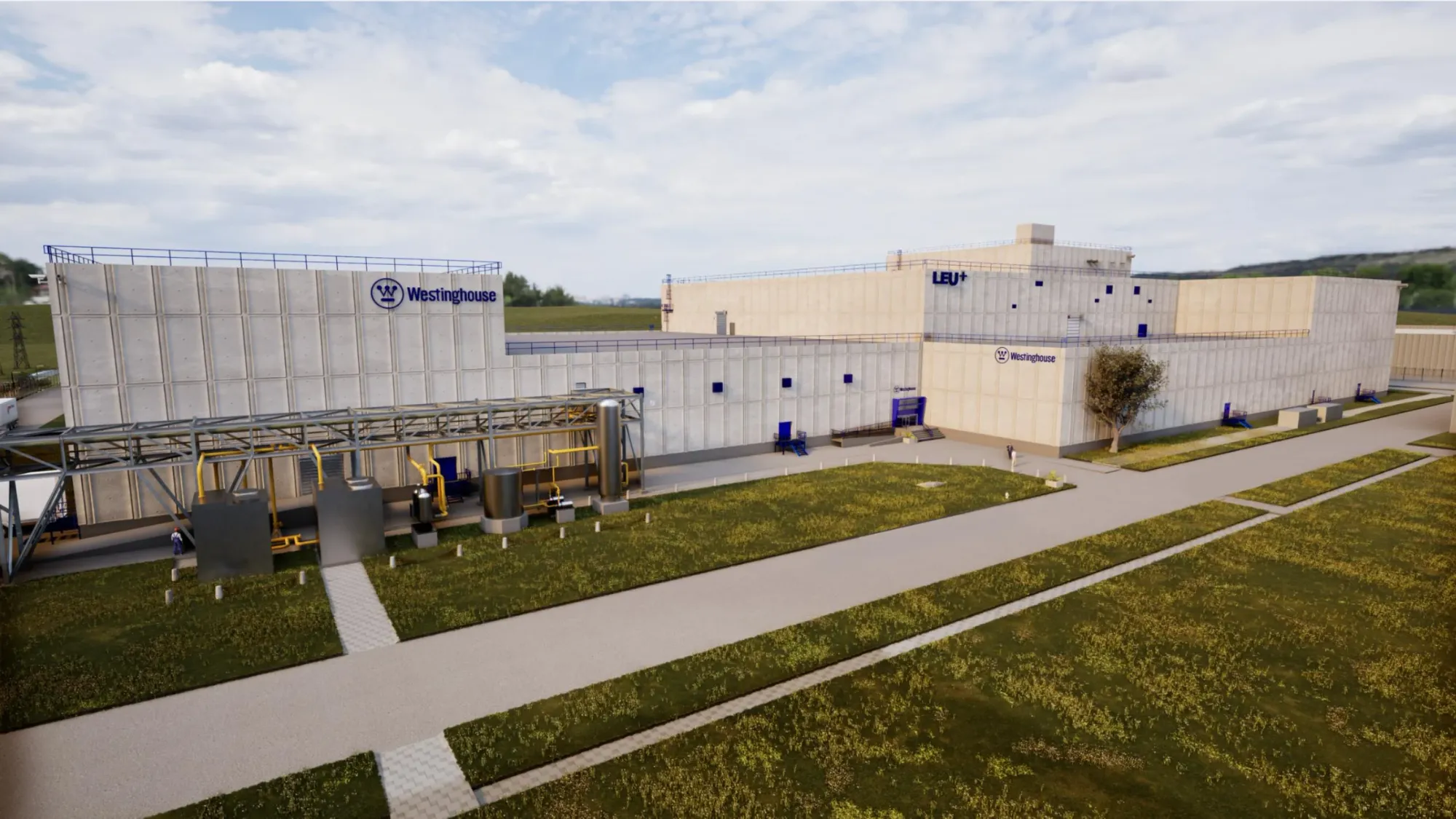
This partnership highlights the critical intersection between higher education and industrial execution in the energy transition. As the U.S. seeks to expand its nuclear capacity, the ability to provide a steady stream of skilled engineers and technicians becomes a primary operational risk. Westinghouse, which currently powers 57% of the world's nuclear power plants and fuels 40% of the global fleet, is looking to South Carolina to serve as a primary hub for this human capital development. The company already maintains a significant footprint in the state, employing more than 2,200 people, including operations at its Columbia Fuel Fabrication Facility.
By embedding workforce development within the USC Molinaroli College of Engineering and Computing, the partnership seeks to create a scalable model for nuclear talent acquisition. This approach is intended to strengthen the domestic supply chain and provide the technical expertise necessary for both new construction and the ongoing maintenance of existing fleets. For the broader energy market, this signals an attempt to institutionalize the skills required for Generation III+ technology, potentially reducing the long-term labor volatility associated with large-scale nuclear infrastructure projects and supporting the economic growth of the South Carolina nuclear ecosystem.
Key Takeaways
- Westinghouse and USC are partnering to develop a workforce specifically to support the U.S. fleet deployment of AP1000® reactors.
- The program will be centered at the planned Nuclear Innovation Center at the USC Molinaroli College of Engineering and Computing.
- Proposed training includes digital AP1000 simulators, hands-on construction labs using AI and AR/VR, and multidisciplinary engineering certificate programs.
EnergyInsyte's Take
In our view, this partnership is a calculated move to de-risk the deployment of the AP1000 reactor by addressing the most significant non-financial barrier to nuclear expansion: specialized labor availability. While capital and regulatory frameworks often dominate the conversation, the inability to staff a fleet of 1.150 GW reactors with qualified operators and technicians could stall even the most well-funded projects. By integrating digital twins, AI-enabled execution, and advanced simulators into a university setting, Westinghouse is attempting to industrialize the training process. This suggests that the industry is moving away from ad-hoc training toward a standardized, technology-driven educational model. If successful, this collaboration could transform South Carolina into a critical node for nuclear intellectual property and technical expertise, providing a blueprint for how technology providers can secure their own supply chains through academic integration.
Questions & Answers
How does the Westinghouse-USC partnership specifically support AP1000 deployment?
The partnership aims to develop the multidisciplinary workforce required for large-scale deployment through specialized training. This includes using digital AP1000 simulators to train operators in replica control rooms and utilizing hands-on labs to prepare craft and maintenance personnel for the specific technical demands of Generation III+ technology.
What technical training modalities are being explored for the nuclear workforce?
The organizations are discussing several advanced training methods, including state-of-the-art digital simulators, construction labs utilizing AR/VR and AI-enabled execution, and digital work packages. Additionally, they are looking at multidisciplinary certificate programs for engineering students in mechanical, electrical, industrial, and civil disciplines.
What is the strategic significance of the Nuclear Innovation Center for South Carolina?
The center is intended to position South Carolina as a national leader in nuclear energy research and innovation. By connecting industry expertise with higher education, the center seeks to build a localized ecosystem of talent, intellectual property, and supply chain capabilities that can support a national fleet of new nuclear plants.
What is the current scale of Westinghouse's operations in South Carolina?
Westinghouse currently employs more than 2,200 people in South Carolina. This includes operations at the Columbia Fuel Fabrication Facility, which is one of the largest nuclear fuel manufacturing facilities of its kind, as well as support for engineering, IT, and maintenance services.
Source: Westinghouse