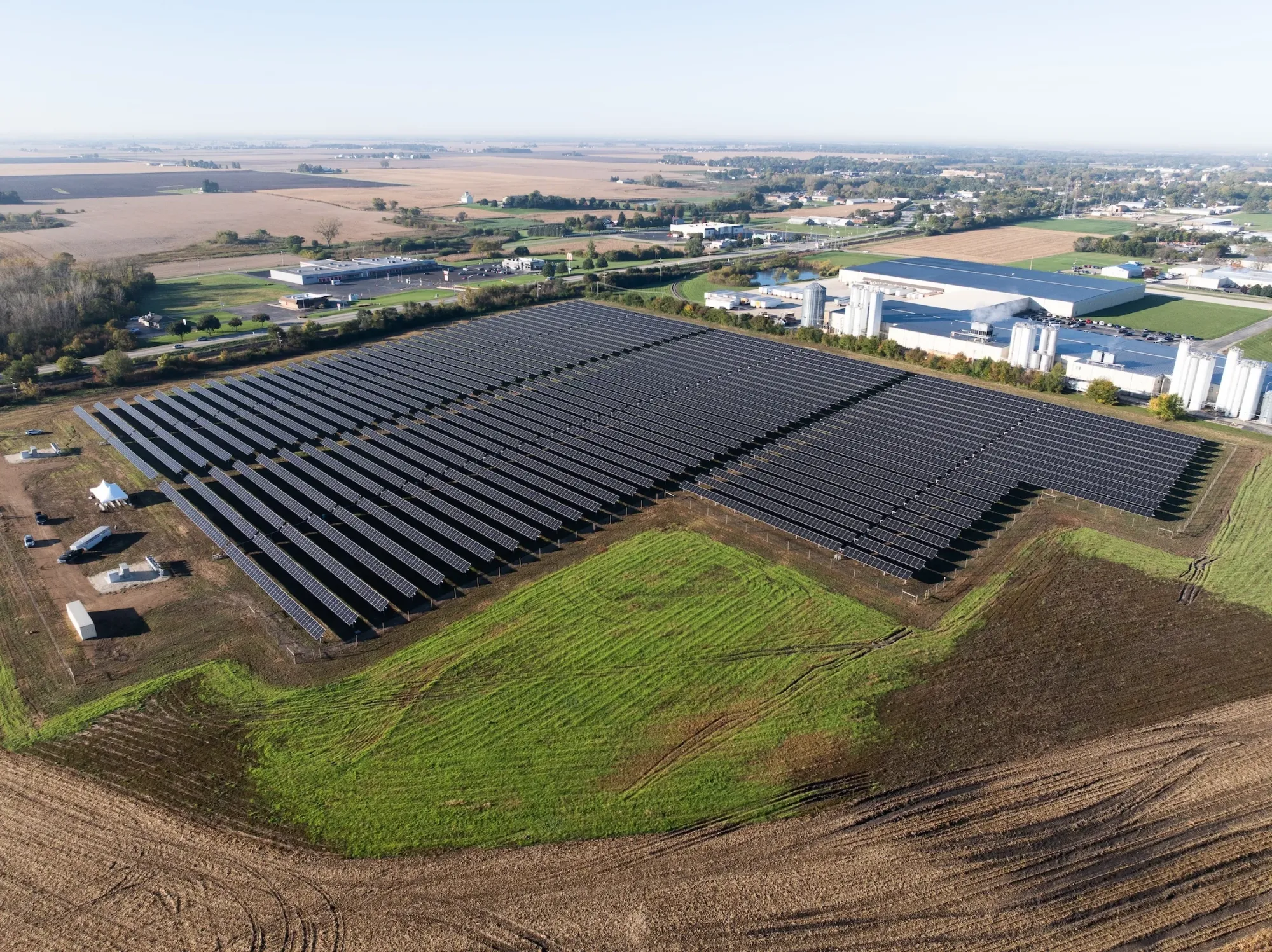

Navitas Solar Private Limited and Caelux Corporation have entered a five-year commercialization partnership to manufacture ultra-high efficiency Hybrid Tandem solar modules in India. By integrating Caelux’s perovskite energy-producing glass with Navitas’ N-Type TOPCon technology, the collaboration aims to deliver modules with efficiencies reaching up to 28%. This strategic move targets the large-scale production of next-generation solar hardware to support India's domestic manufacturing capabilities and its broader transition toward a cleaner energy mix through advanced, high-density power solutions.
Navitas Solar and Caelux 5 GW Tandem Partnership
The partnership establishes a clear roadmap for the commercial production of Hybrid Tandem modules, combining perovskite and silicon solar layers. This five-year agreement focuses on a 5 GW capacity, aiming to bring these high-efficiency products to market by 2028. A critical component of this execution plan is ensuring that the resulting modules meet the Approved List of Module Manufacturers (ALMM) eligibility requirements, which is essential for integration into the Indian solar market. Navitas Solar will leverage its vertically integrated multi-gigawatt manufacturing platform to host Caelux’s pioneering perovskite technology. This integration seeks to improve power density compared to standard silicon-only modules, providing a technological leap for domestic production. By coupling Caelux’s energy-producing glass with existing N-Type TOPCon solar technology, the companies are positioning themselves to provide advanced solar solutions that address the growing demand for high-performance hardware within one of the world's fastest-growing renewable energy markets.
Supporting India’s 500 GW Renewable Energy Target
This technological integration arrives as India seeks to meet ambitious national energy milestones, including a goal of 500 GW of non-fossil fuel power capacity by 2030. With India already possessing over 150 GW of installed solar power, the country must install approximately 350 GW of renewables in less than four years to maintain its current trajectory. The partnership between Navitas Solar and Caelux is positioned to support these objectives by increasing the efficiency of solar deployments. By improving power density, these Hybrid Tandem modules could assist in meeting the government's vision for 2030 and the long-term 2035 goal of 60% clean energy. The collaboration emphasizes the importance of manufacturing globally competitive, high-efficiency technologies domestically to ensure self-reliance. This approach aligns with the necessity of scaling advanced technology alongside local supply chains to drive the rapid deployment required for India's massive renewable energy expansion.
Key Takeaways
- The five-year partnership aims to deliver 5 GW of Hybrid Tandem solar modules with efficiencies up to 28%.
- Commercial production is targeted for 2028, with modules designed to meet ALMM eligibility requirements.
- The technology combines Caelux’s perovskite energy-producing glass with Navitas Solar’s N-Type TOPCon solar technology.
EnergyInsyte's Take
In our view, this partnership represents a strategic shift from mere capacity expansion toward high-value technological sovereignty in the Indian solar market. By targeting 28% efficiency through perovskite-silicon tandem layers, Navitas and Caelux are addressing the critical need for higher power density in land-constrained or high-demand environments. The explicit focus on meeting ALMM eligibility by 2028 suggests a sophisticated understanding of the regulatory landscape required to capture utility-scale domestic demand. This move signals that the next phase of India's energy transition will be defined by the ability to manufacture complex, next-generation hardware locally rather than relying solely on traditional silicon-only imports.
Source: https://www.prnewswire.com/