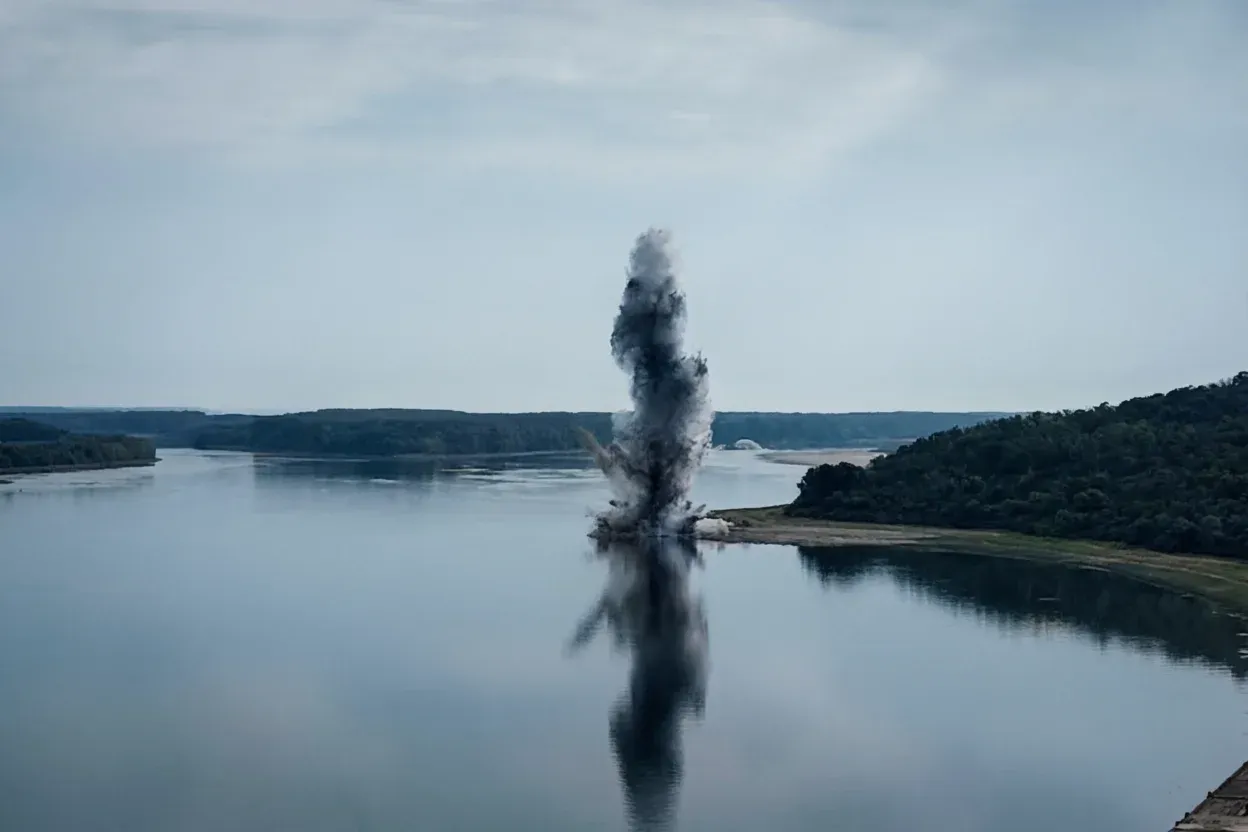
Romania has implemented an unprecedented emergency measure, using controlled explosions to blast a rock outcrop to redirect Danube river water toward its sole operational nuclear reactor. This drastic action, taken by the Romanian government, aims to mitigate the severe energy crunch caused by extreme heat and drought-induced low river levels. As water supplies dwindle, the regional energy security of both Romania and Hungary faces significant pressure, forcing industrial players and governments to implement emergency demand-side management strategies to prevent total grid instability.
Romania’s Emergency Rock Blasting and Reactor Protection
On Monday, Romanian authorities conducted a controlled explosion to clear a rock outcrop, facilitating the construction of a temporary dam. This infrastructure project is designed to redirect vital cooling water into the specific river channel where the remaining Cernavoda reactor is located. The operation, managed with naval assistance, is scheduled for completion by Wednesday. This intervention follows the recent shutdown of one of Nuclearelectrica’s two reactors due to falling water levels. The strategic necessity of this move was underscored by Defence Minister Radu Miruta, who noted that the operational efficiency of the plant far outweighs the costs of the explosion. The move is critical because Nuclearelectrica typically provides one-fifth of Romania's total electricity needs, making the reactor's continued function essential for national grid stability during this period of environmental stress.
Regional Energy Constraints and Industrial Demand Response
The drought has created a cascading effect across the Danube region, impacting both generation and industrial stability. In Hungary, the 2-gigawatt Paks plant—which provides roughly half of the nation's power—was forced to operate at just over 10% capacity. While Hungarian Prime Minister Peter Magyar noted a slight reprieve, the plant's ability to maintain its final 240-megawatt turbine remains precarious. To manage the deficit, significant industrial curtailment has occurred. In Romania, Dacia (Renault-owned) and Ford have voluntarily halted production until August 19, reducing consumption by approximately 200 MW. Similarly, the pharmaceutical firm Richter is cutting electricity use by over 50% while contributing 4 MW from its solar park. These actions, alongside government appeals for household reductions, helped lower demand by 700 MW on Sunday, highlighting the heavy reliance on voluntary industrial shutdowns to offset generation shortfalls.
Key Takeaways
- Romania is constructing a temporary dam via controlled rock explosions to redirect Danube water to the Cernavoda nuclear reactor.
- Major automotive manufacturers Dacia and Ford have paused production until August 19 to reduce power consumption by 200 MW.
- Hungary's Paks nuclear plant, a critical 2-GW facility, was reduced to just over 10% capacity due to record-low Danube water levels.
EnergyInsyte's Take
In our view, the use of explosives to reroute river water signals a critical vulnerability in the reliance on surface water for nuclear cooling during climate-driven droughts. This is no longer a theoretical risk but a present operational reality requiring extreme, high-cost engineering interventions. The fact that major automotive players like Ford and Dacia must halt production underscores how environmental volatility directly translates into industrial downtime and supply chain risk. For grid operators and investors, this event highlights the urgent need for diversified cooling technologies and enhanced trans-border interconnection capacity to mitigate localized generation failures caused by hydrological shifts.
Questions & Answers
How is Romania addressing the cooling water shortage for its nuclear fleet?
Romania is using controlled explosions to remove a rock outcrop, allowing for the construction of a temporary dam. This dam will redirect Danube river water into the channel serving the remaining operational Cernavoda reactor.
What impact has the energy crunch had on the Romanian industrial sector?
To ease grid pressure, Renault-owned Dacia and Ford have voluntarily suspended production until August 19, contributing a combined reduction of approximately 200 MW to the national power demand.
What is the current status of nuclear generation in Hungary?
The 2-GW Paks plant has been severely impacted, operating at just over 10% capacity. While authorities hope to maintain the final 240-megawatt turbine for a few more days, the plant's output is heavily constrained by low river levels.
Why is the lack of regional interconnection a concern for Romania?
Prime Minister Ilie Bolojan noted that drought-related difficulties are amplified by limited trans-border connections with central and western Europe, which restricts the ability to import necessary electricity to stabilize the grid.
Source: REUTERS