SLB is positioning itself at the center of large-scale carbon capture and storage (CCS) infrastructure by securing a strategic reservoir partnership for the Havstjerne project in the Norwegian North Sea. The company will provide integrated engineering and technology services during the concept and front-end engineering and design (FEED) phases. This move aims to bridge the gap between subsurface reservoir analysis and offshore subsea infrastructure, a critical requirement for the project's progression toward a final investment decision.
SLB to Coordinate Integrated Havstjerne Engineering
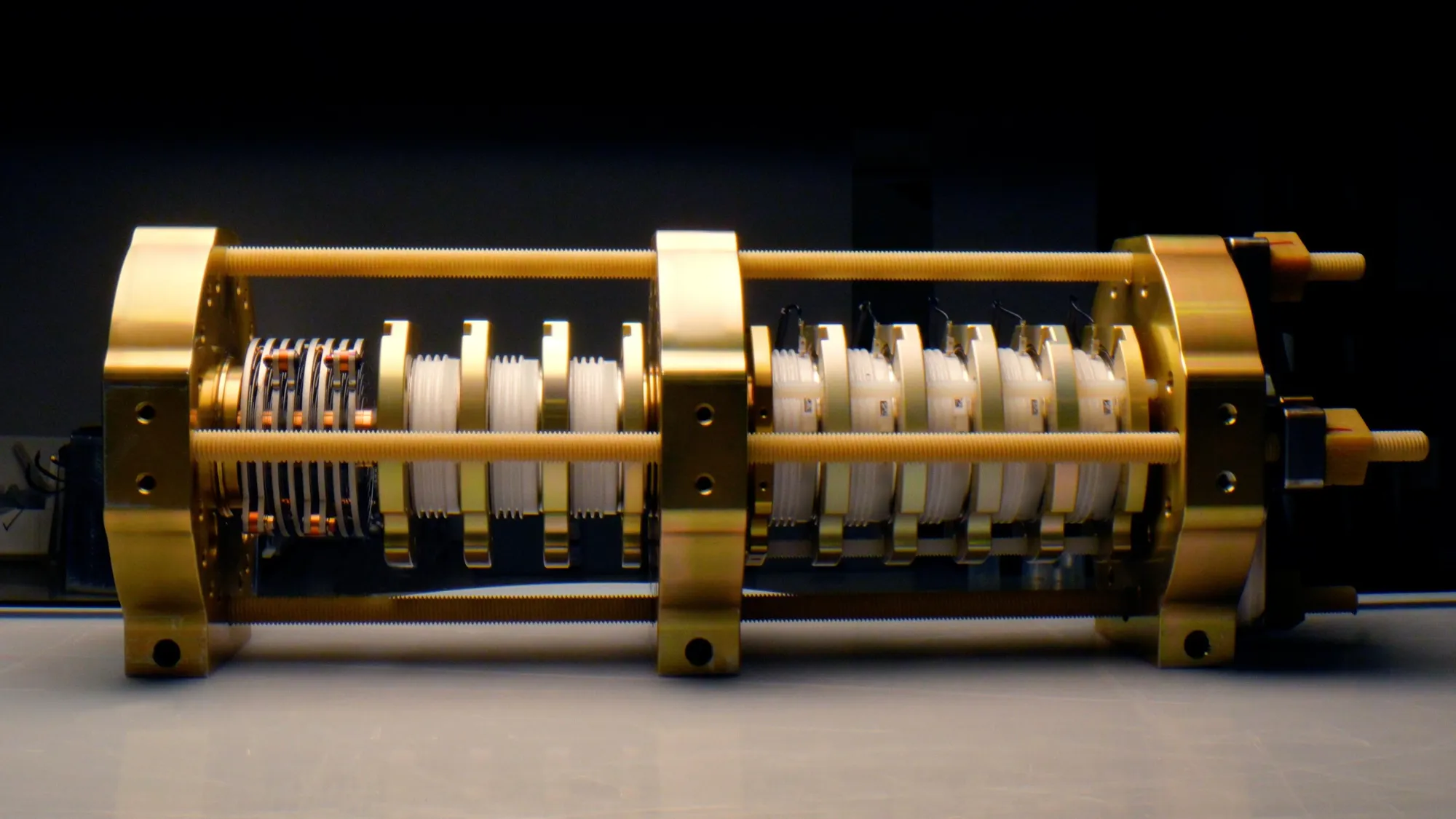
The partnership tasks SLB with managing an integrated project scope designed to connect underground storage reservoir analysis with injection well design and subsea infrastructure. To execute this, SLB is leveraging its OneSubsea™ joint venture to deliver the concept and FEED for the subsea injection system. This system is expected to include a template manifold, all-electric trees, a control system, an umbilical, and a distribution system. By combining subsurface maturation with well and subsea engineering, SLB intends to improve technical coordination and reduce the number of contractual and technical interfaces. This integrated approach is intended to help the Havstjerne partnership define the technical, cost, and schedule basis required for the project's next major milestone.
Havstjerne Project Scale and EU Funding
Operated by Harbour Energy in a consortium with Stella Maris CCS—a Yinson Production company—the Havstjerne project is targeting large-scale offshore CO2 storage for industrial emitters across Europe. The project's technical viability was bolstered by an appraisal well drilled in 2025, which confirmed reservoir quality suitable for CO2 injection. Financial support for the development includes 225 million euros received from the EU Innovation Fund in 2025. For its technical architecture, the project has selected a low-pressure floating storage and injection concept. This specific design choice is focused on achieving system reliability, low cost, and commercial flexibility as the developers work to establish a cost-competitive infrastructure for the European market.
Key Takeaways
- SLB will provide integrated reservoir, well, and subsea engineering services for the Havstjerne CCS project in the Norwegian North Sea.
- The Havstjerne project received 225 million euros from the EU Innovation Fund in 2025 to support its development.
- The project utilizes a low-pressure floating storage and injection concept to target reliability and commercial flexibility for European industrial emitters.
EnergyInsyte's Take
In our view, SLB’s involvement signals a shift in the CCS sector from isolated technical studies toward highly integrated, end-to-end development models. By linking subsurface reservoir management directly with subsea hardware through the OneSubsea™ joint venture, SLB is attempting to solve the interface risks that often plague complex offshore energy projects. This strategy suggests that as carbon storage moves toward commercial scale, the ability to manage the entire value chain—from the reservoir to the injection manifold—will become a primary competitive advantage for service providers. For developers, this integrated model could be the key to reducing the technical uncertainty required to reach a final investment decision.
Questions & Answers
How does SLB intend to reduce project complexity for the Havstjerne consortium?
SLB is utilizing an integrated scope that connects subsurface reservoir analysis with injection well design and subsea infrastructure. This approach, delivered via the OneSubsea™ joint venture, is intended to improve technical coordination and minimize the number of technical and contractual interfaces.
What technical milestones have already been achieved for the Havstjerne project?
An appraisal well drilled in 2025 confirmed that the reservoir quality is suitable for CO2 injection and storage. Additionally, the project has selected a low-pressure floating storage and injection concept to prioritize reliability and cost-effectiveness.
What is the primary market target for the Havstjerne carbon storage development?
The project is being matured to provide large-scale, cost-effective offshore CO2 storage specifically intended to serve industrial emitters located across Europe.
What financial backing has been secured for this Norwegian North Sea project?
The Havstjerne project received 225 million euros from the EU Innovation Fund in 2025 to support its development.
Source: Businesswire