Soluna Holdings is scaling its partnership with Bitdeer Technologies Group to capture more capacity from its wind-powered Texas infrastructure. Through an amended agreement, Bitdeer’s subsidiary, Dory Creek, LLC, will deploy an additional 7 MW of Bitcoin mining equipment at Soluna's Project Kati 1 in Willacy County, Texas. This expansion increases Bitdeer's total deployment at the site to 35 MW, targeting a total hash rate of approximately 2.42 EH/s. The move effectively fully subscribes the K1BC phase of the 83 MW wind-powered data center. Soluna is positioning this expansion as a validation of its co-mining model, which seeks to link intensive computing directly to surplus renewable energy assets. The company expects the deployment to reach completion by November 2026.
Bitdeer Increases Deployment at Project Kati 1
The amended agreement marks the first expansion of the partnership between Soluna and Bitdeer, which originally commenced in August. Under the terms of the co-mining arrangement, Bitdeer will provide and own its Sealminer A2 Pro Air mining equipment. Soluna is responsible for providing the physical site, the necessary power, and turnkey operations. Rather than a traditional landlord-tenant relationship, the two entities will share in the mining proceeds generated by the deployment. This structure allows Bitdeer to deploy hardware into a managed environment while Soluna utilizes its infrastructure to process intensive computing loads.
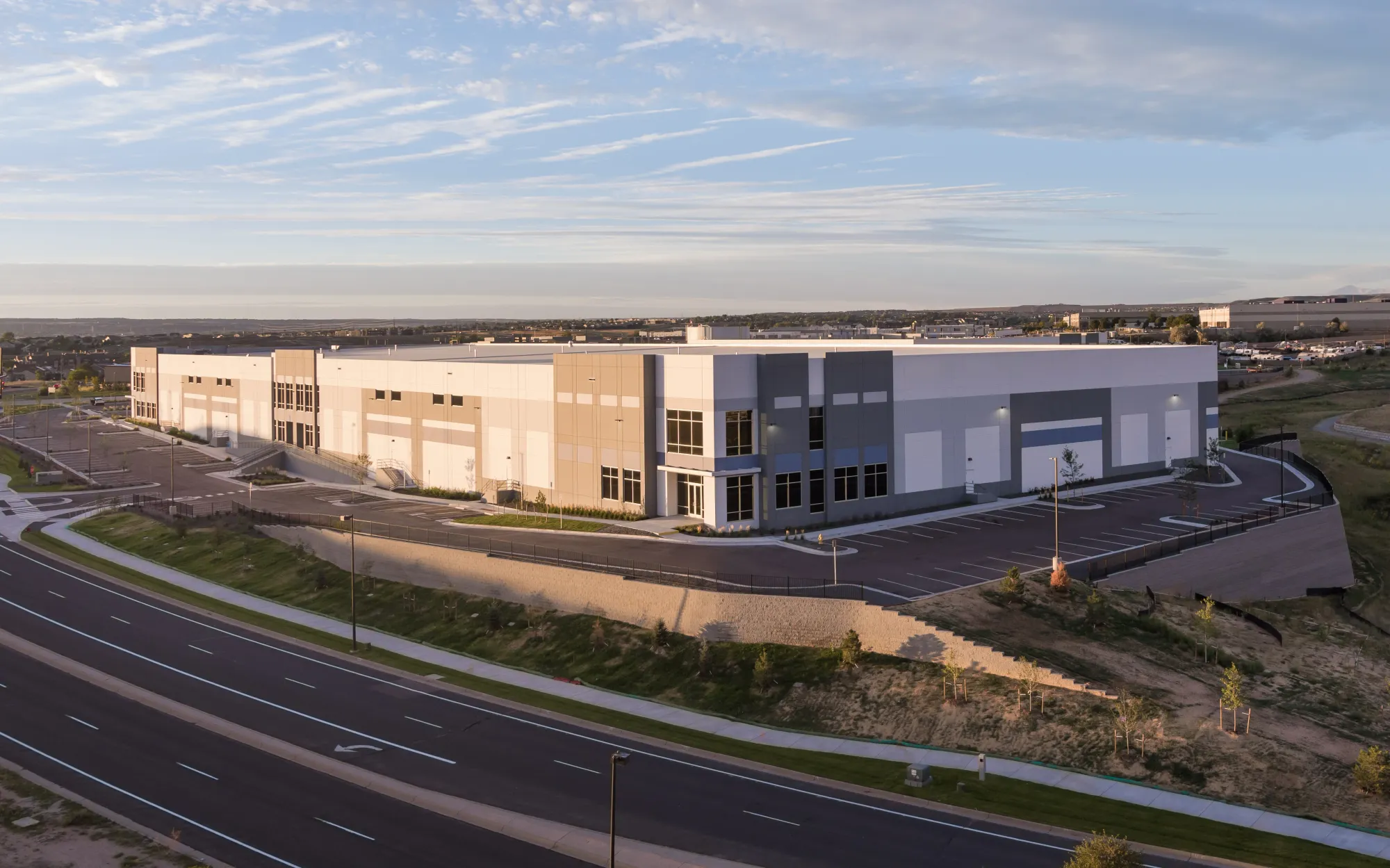
The additional 7 MW of capacity is being integrated into the K1BC phase of Project Kati 1. This specific phase is now described by Soluna as fully subscribed following this amendment. Project Kati 1 itself is an 83 MW facility powered by wind energy, located in South Texas. By increasing the total deployment to 35 MW, Bitdeer is significantly raising its computing footprint within Soluna’s renewable-focused ecosystem. The company anticipates that the full deployment of this expanded capacity will be finalized in November 2026, providing a long-term commitment to the site's operational lifecycle.
Scaling Renewable-Linked Computing Infrastructure
This expansion highlights a growing trend of integrating high-density computing with localized renewable energy generation to manage grid loads. By co-locating Bitcoin mining equipment with an 83 MW wind-powered facility, Soluna is testing whether intensive computing can serve as a flexible load for surplus renewable energy. The co-mining structure used here—where equipment owners and site operators share proceeds—represents a specific financial model designed to align the incentives of hardware providers and energy infrastructure developers.
For the broader energy and data center markets, the Project Kati 1 expansion suggests that specialized "green" data centers are moving from pilot concepts to scalable industrial deployments. Bitdeer’s decision to expand its footprint before the initial deployment was even finished serves as a signal of confidence in Soluna's ability to manage the intersection of renewable power and high-performance computing. As the K1BC phase reaches full subscription, the focus for Soluna will likely shift toward the remaining capacity of the 83 MW facility and the potential for future site developments. This deployment demonstrates how Bitcoin mining can be utilized as a mechanism to monetize renewable energy assets in regions like South Texas.
Key Takeaways
- Bitdeer will deploy an additional 7 MW of equipment at Soluna's Project Kati 1, bringing total deployment to 35 MW.
- The expansion brings the total hash rate at the site to approximately 2.42 EH/s, with completion expected in November 2026.
- The Project Kati 1 facility is an 83 MW wind-powered data center located in Willacy County, Texas.
EnergyInsyte's Take
In our view, the expansion of the Soluna-Bitdeer agreement is less about the incremental 7 MW and more about the validation of the co-mining operational model. By committing more capital to a site that is still in the process of its initial deployment, Bitdeer is signaling that the integration of Sealminer A2 Pro Air hardware with wind-powered infrastructure is technically and economically viable. This move suggests that the "green data center" niche is maturing into a structured asset class where hardware providers and energy developers can share risk and reward. For grid operators and energy investors, this illustrates a practical pathway for utilizing surplus renewable generation through high-density, flexible loads. However, the long timeline for completion—November 2026—reminds stakeholders that scaling these specialized renewable-compute intersections remains a multi-year infrastructure play rather than an immediate liquidity event.
Questions & Answers
How does the co-mining structure between Soluna and Bitdeer function?
Under this arrangement, Bitdeer provides and owns the Sealminer A2 Pro Air mining equipment, while Soluna provides the site, power, and turnkey operations. Instead of a standard lease, the two companies share the mining proceeds generated by the deployment.
What is the total capacity and computing power of the expanded Project Kati 1 deployment?
The total Bitdeer deployment at Project Kati 1 will reach 35 MW, which is expected to result in a total hash rate of approximately 2.42 EH/s.
What energy source powers the Project Kati 1 facility?
Project Kati 1 is an 83 MW data center located in Willacy County, Texas, that is powered by wind energy.
What is the projected timeline for the completion of this expansion?
Soluna expects the expanded deployment of the additional 7 MW of equipment to be completed in November 2026.
Source: Soluna