Amprius Technologies is leveraging federal defense funding to pivot domestic manufacturing toward high-performance drone power systems. The company has been awarded a grant of up to $75 million from the U.S. Department of War (DoW) through its Industrial Base Analysis and Sustainment (IBAS) program. This capital aims to facilitate the conversion of an existing electric vehicle battery production line into a high-volume facility for advanced cells.
Retrofitting South Korean Managed Production Lines
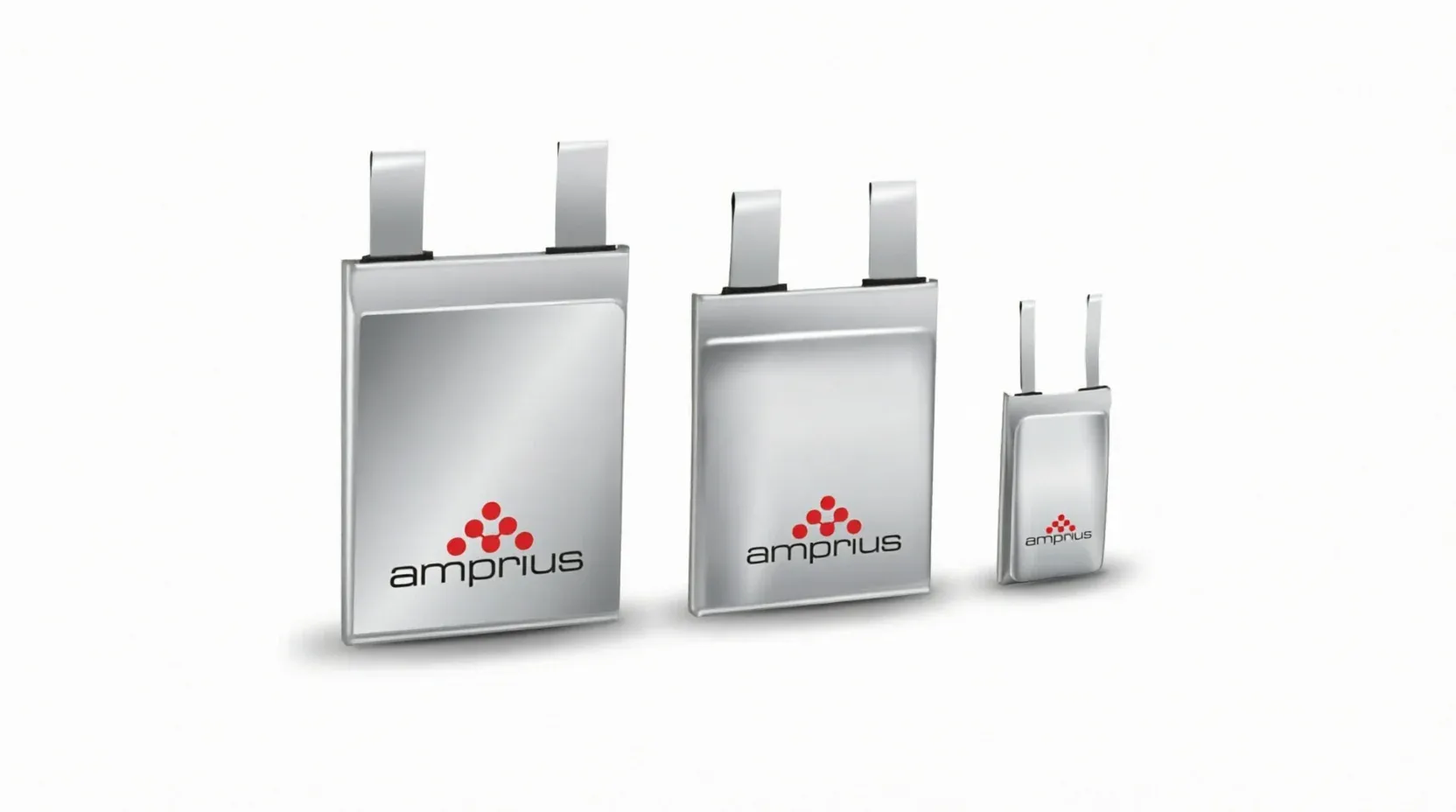
The $75 million DoW grant is intended to fund a broader $100 million conversion project, which includes in-kind investments from Amprius and its South Korean manufacturing partner. Amprius plans to reconfigure an existing U.S.-based electric vehicle battery production line currently operated by a major South Korean manufacturer. By repurposing this infrastructure, the company seeks to establish high-volume, commercially viable manufacturing for high-energy density cells specifically designed for Group 1, 2, and 3 unmanned aerial systems. This strategic shift utilizes existing manufacturing prowess to accelerate the adoption of standardized pouch cells. The company is positioning this move to meet the specific domestic sourcing requirements mandated by the National Defense Authorization Act (NDAA), ensuring that critical defense components are produced within the United States.
Scaling NDAA-Compliant Drone Battery Capacity
Upon completion, which Amprius expects in early 2028, the retrofitted production line is projected to have the capacity to produce 12 million Amprius cells annually. This expansion is designed to increase the company's ability to provide NDAA-compliant pouch cells to key customers at scale. Amprius currently employs a contract manufacturing strategy to enable capacity expansion with minimal capital investment, and this project expands its existing contract manufacturing relationships. The new line will integrate into a global manufacturing network that already includes operations in China, South Korea, and the United States. By targeting the unmanned aerial systems market, Amprius is attempting to bridge the gap between high-performance silicon-anode technology and the industrial scale required for national defense applications, moving beyond its current R&D and pilot manufacturing capabilities.
Key Takeaways
- Amprius received up to $75 million from the DoW IBAS program to retrofit an existing EV battery line.
- The total conversion project is expected to cost approximately $100 million, including in-kind partner investments.
- The new production line is planned to reach an annual capacity of 12 million cells by early 2028.
EnergyInsyte's Take
In our view, this move signals a calculated shift toward high-margin, defense-critical niche markets where energy density is a non-negotiable requirement. By utilizing a South Korean partner's existing U.S. infrastructure, Amprius is attempting to bypass the massive capital expenditures typically required for greenfield battery plants. This "asset-light" approach to scaling domestic production is a pragmatic response to the high cost of manufacturing. However, the success of this strategy depends entirely on the seamless technical conversion of EV-optimized lines to the specialized requirements of drone-grade silicon-anode cells.
Questions & Answers
How will the $75 million grant impact Amprius's manufacturing footprint?
The grant enables the reconfiguration of an existing U.S.-based EV battery line operated by a South Korean partner, adding a high-volume domestic source for NDAA-compliant cells to Amprius's existing network in China and South Korea.
What is the specific target market for the new production capacity?
The project focuses on establishing high-volume manufacturing for advanced battery systems used to power Group 1, 2, and 3 unmanned aerial systems (drones).
What is the projected timeline and output for this conversion project?
Amprius expects the conversion to be completed by early 2028, at which point the line is expected to have the capacity to produce 12 million cells annually.
How does this project address regulatory requirements for defense contractors?
The project is designed to produce cells that meet the domestic sourcing requirements of the National Defense Authorization Act (NDAA), providing a primary source of compliant battery production for the U.S. defense sector.
Source: Amprius