Netmore Group, Itron, and Abeeway have validated an end-to-end interoperable LoRaWAN Relay solution designed to solve the "last 10%" coverage problem in large-scale smart water metering deployments. By integrating Itron’s Cyble 5 RF module with the Abeeway LoRaWAN Relay and Netmore’s ThingPark platform, the companies are offering a production-ready method to reach isolated meters without the massive capital expenditures typically required for network densification. This technical validation addresses a critical commercial hurdle for water utilities: the disproportionate cost of achieving near-100% read rates. For many operators, expanding a network to cover the final fraction of difficult-to-reach devices can increase overall network CAPEX by 30% or more. This integrated stack aims to bypass that infrastructure overhead through standardized, battery-powered signal bridging.
Integrated LoRaWAN Stack for Smart Metering
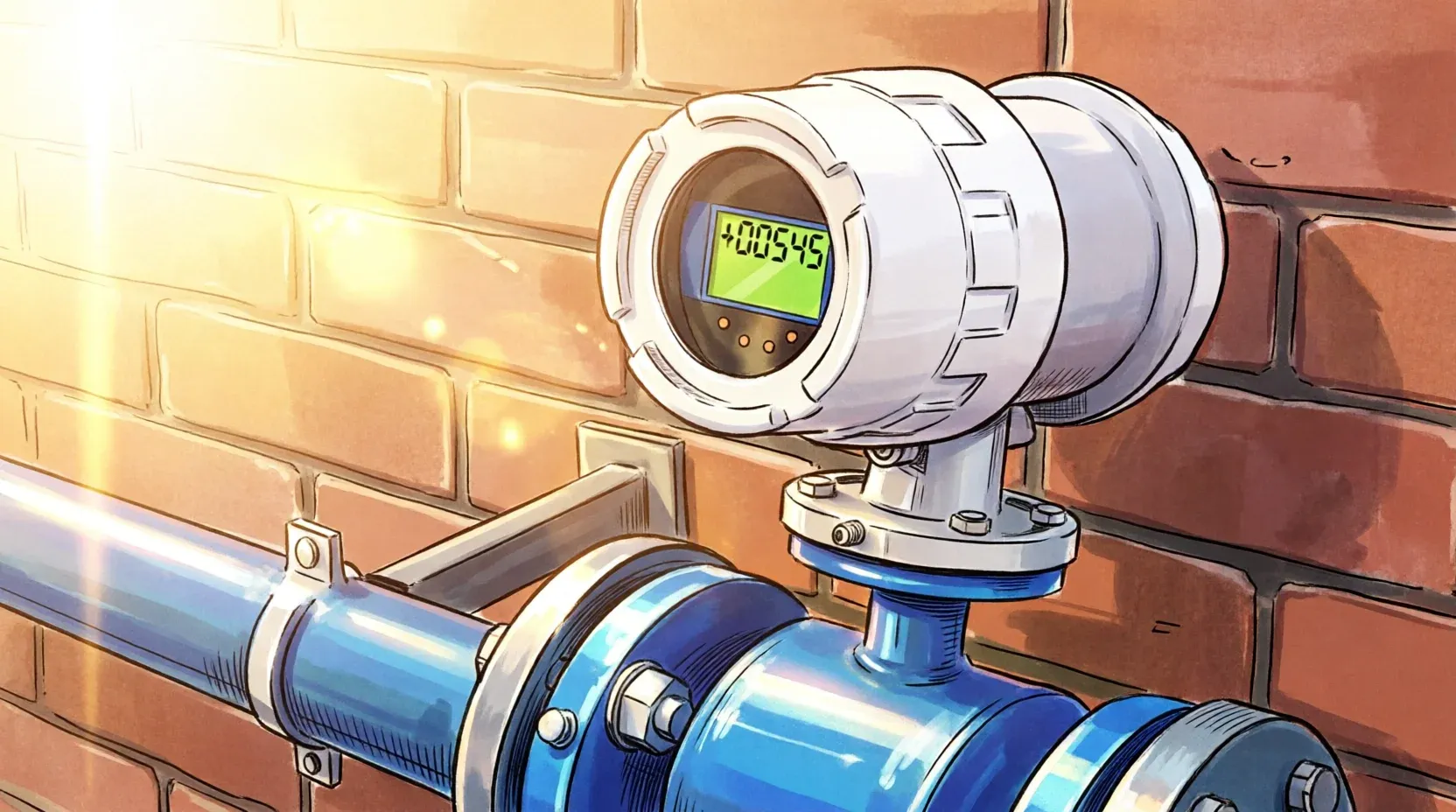
The validated solution connects three distinct technological layers to create a functional Advanced Metering Infrastructure (AMI) ecosystem. At the edge, the Itron Cyble 5 serves as a communication module designed to convert mechanical water meters into connected assets. Itron claims this module offers a 15-year design life and supports simultaneous Automated Meter Reading (AMR) and AMI connectivity. To bridge signal gaps, the Abeeway LoRaWAN Relay—a battery-powered device compliant with the LoRa Alliance TS011 1.0.0 specification—acts as the intermediary. According to Abeeway, this relay can manage up to 15 devices located in isolated areas without requiring modifications to the end devices themselves.
The final layer is the Netmore LoRaWAN network, which utilizes the ThingPark platform to manage these relays. Netmore has built native relay management into ThingPark, allowing for remote configuration via standard MAC commands. This integration is intended to provide utilities with a tested, standards-compliant path to complete coverage. By utilizing the LoRaWAN Relay feature, utilities can extend their network reach into "dead spots" using existing gateway infrastructure rather than deploying new, expensive gateways. This approach seeks to maintain the economic viability of large-scale digital transformations in the water sector.
Mitigating CAPEX in Large-Scale AMI Rollouts
For utility executives, the primary driver behind this development is the economic reality of network expansion. In traditional network densification models, the cost of capturing the final percentage of non-communicating meters often scales non-linearly. The announcement highlights that covering the final 10% of a device population can add 30% or more to total network CAPEX. This makes the pursuit of 100% read rates—a common regulatory and commercial requirement—a significant financial challenge.
The Abeeway LoRaWAN Relay is positioned as a cost-effective alternative to this densification model. Because the relay is battery-powered and operates within the existing LoRaWAN framework, it eliminates the need for additional fixed gateway infrastructure. This capability allows utilities to maintain high read rates while controlling the growth of their capital budgets. Furthermore, the use of the LoRa Alliance TS011 open standard suggests that this interoperability is not a proprietary silo, but rather a functional application of existing industry specifications. By combining Itron’s hardware with Netmore’s network management, the companies are testing whether standardized relay technology can effectively bridge the gap between connectivity requirements and infrastructure costs.
Key Takeaways
- The validated stack integrates Itron Cyble 5, Abeeway LoRaWAN Relay, and Netmore’s ThingPark platform for end-to-end smart water metering.
- The Abeeway LoRaWAN Relay can manage up to 15 devices in isolated locations without modifying the end devices.
- Utilizing the LoRaWAN Relay approach aims to avoid the 30% or more increase in network CAPEX often associated with traditional network densification.
EnergyInsyte's Take
In our view, this validation is a strategic response to the diminishing returns of traditional IoT network expansion. As water utilities move from pilot programs to massive, population-wide AMI deployments, the "coverage gap" becomes a primary financial bottleneck. The ability to reach the final 10% of meters without a 30% CAPEX penalty is not just a technical convenience; it is a requirement for the economic viability of smart water programs. By leveraging the LoRa Alliance TS011 standard, Netmore and Itron are signaling that the future of utility connectivity lies in interoperable, low-power bridging rather than brute-force infrastructure densification. This move suggests that the industry is shifting its focus from merely "connecting devices" to "optimizing the cost of connectivity," a transition that will be vital as utilities face increasing pressure to deliver digital transformation within tight budgetary constraints.
Questions & Answers
How does the LoRaWAN Relay impact the total CAPEX of an AMI deployment?
The LoRaWAN Relay provides a way to reach isolated meters without the need for additional gateway infrastructure. This is significant because, according to the announcement, attempting to cover the final 10% of devices through traditional network densification can increase overall network CAPEX by 30% or more.
What are the technical specifications of the Abeeway LoRaWAN Relay?
The Abeeway LoRaWAN Relay is a battery-powered device that is fully compliant with the LoRa Alliance TS011 1.0.0 specification. It is capable of managing up to 15 devices in isolated locations and functions without requiring any modifications to the end devices it serves.
How is the relay managed within the Netmore ecosystem?
The relay is managed through Netmore’s ThingPark platform. The platform features native relay management, which enables utilities to perform remote relay configuration using standard MAC commands.
What role does the Itron Cyble 5 play in this integrated solution?
The Itron Cyble 5 is a communication module designed to transform mechanical water meters into smart, connected assets. It features a 15-year design life and supports both Automated Meter Reading (AMR) and Advanced Metering Infrastructure (AMI) connectivity.
Source: Netmore