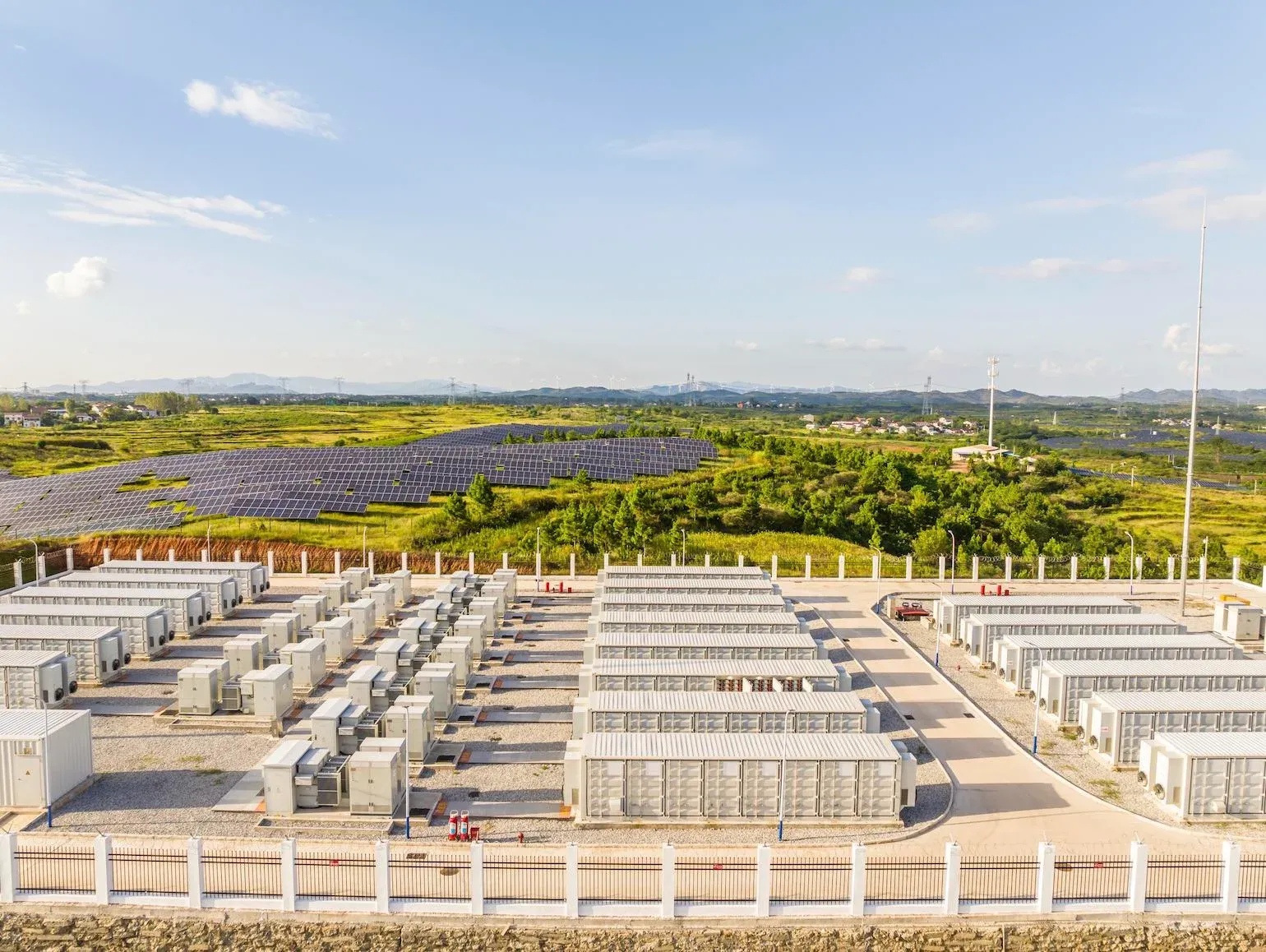
NineDot Energy is scaling its urban battery footprint by deploying a new 20-megawatt energy storage system in Hunts Point, The Bronx, targeting improved grid reliability and local air quality. This project, which the company describes as its largest to date, is positioned to provide enough power for approximately 20,000 homes during peak demand periods. By replacing a former fuel oil trucking site with modern battery energy storage system (BESS) infrastructure, NineDot aims to support the transition of the local industrial hub toward electrification while mitigating the need for high-emitting fossil fuel peaker plants.
NineDot Energy Expands Bronx BESS Capacity
The Hunts Point facility marks a significant expansion for NineDot Energy, a developer focused on community-scale battery energy storage systems within the New York City metropolitan area. The site is expected to be fully operational in time for the upcoming summer heat waves, providing nearly 20 megawatts of power to the local community. This deployment follows a successful period of operation for the company's existing fleet; during a July 2026 heat wave, NineDot’s nine battery projects exported nearly 34 megawatts to support the Con Edison local distribution and statewide transmission systems.
The company is leveraging this site to address specific regional grid stressors. According to the announcement, the storage capacity can help reduce reliance on gas-fired peaker plants, which typically operate only during peak hours. Furthermore, the project is being integrated into a broader workforce development strategy. NineDot is engaged in creating solar and storage engineering training curricula for five Career and Technical Education (CTE) high schools, including Co-Op Tech – Longwood Campus, in partnership with Solar One. This initiative aims to build employment pathways into the green economy for local residents.
Strategic Grid Resilience and Environmental Justice
The deployment in Hunts Point serves as a technical response to the specific energy and environmental challenges facing the South Bronx. The area has historically dealt with high emissions from diesel truck traffic and nearby peaker plants in Port Morris, contributing to asthma-related emergency room visits that reached 2-3 times the New York City average in 2023. NineDot is positioning this BESS installation as a tool to facilitate the electrification of local industrial assets, such as produce and fish markets and truck fleets, while providing the resiliency required for such a transition.
Beyond local environmental impacts, the project aligns with broader New York State energy modernization goals. The New York State Energy Research and Development Authority (NYSERDA) and the New York City Economic Development Corporation (NYCEDC) have identified battery storage as essential for making the electric grid more resilient to extreme weather and high-stress conditions. By deploying storage at the distribution level, the company suggests it can help avoid expensive utility upgrades and stabilize electricity costs for ratepayers. NineDot is currently pursuing an aggressive growth trajectory, aiming for 400 MW of battery storage in operation, under construction, or in development by the end of 2026.
Key Takeaways
- The Hunts Point site will deliver nearly 20 megawatts of power, capable of supporting approximately 20,000 homes during peak grid hours.
- NineDot Energy currently operates 39 MW across eleven projects in Staten Island and The Bronx, with a development pipeline exceeding 1 GW.
- The company aims to reach a total of 400 MW of battery storage capacity in operation, construction, or development by the end of 2026.
EnergyInsyte's Take
In our view, NineDot Energy’s expansion into Hunts Point is a calculated move to capture the intersection of grid resiliency requirements and environmental justice mandates in high-density urban markets. By targeting "underserved" areas that are disproportionately reliant on aging peaker plants, NineDot is not just deploying hardware; they are positioning their BESS assets as essential infrastructure for the inevitable electrification of urban industrial hubs. The company's ability to link technical deployment with workforce training and local political support suggests a sophisticated model for navigating the complex regulatory and community landscapes of New York City. If NineDot meets its 400 MW target by 2026, they will have established a dominant, localized presence in Con Edison’s service territory, effectively proving that community-scale storage can function as a viable alternative to traditional, centralized fossil fuel peaking capacity.
Questions & Answers
How much capacity does NineDot Energy intend to have in its portfolio by 2026?
NineDot Energy is working toward a goal of having 400 MW of battery storage in operation, under construction, or in development by the end of 2026.
What specific grid support did NineDot's fleet provide during the July 2026 heat wave?
During the July 1-4, 2026, heat wave, NineDot’s nine battery projects exported nearly 34 megawatts during peak hours to support Con Edison’s local distribution and the statewide transmission system.
What is the intended impact of the Hunts Point site on local residential energy needs?
The Hunts Point battery storage system is expected to deliver nearly 20 megawatts of power, which is sufficient to power approximately 20,000 homes during peak grid hours.
How is NineDot Energy addressing local workforce development in the Bronx?
The company is partnering with Solar One to create and execute solar and storage engineering training curricula at five CTE high schools, including Co-Op Tech – Longwood Campus, to build employment pathways to the green economy.
Source: NineDot Energy