Quaise Energy has closed its Series B financing round at $134 million, advancing toward commercial deployment of its millimeter wave drilling technology for superhot geothermal energy. The funding will support Project Obsidian, the world's first commercial superhot geothermal power plant in Oregon, with first grid delivery targeted for 2030. Strategic investors include Japanese energy giants JERA and Idemitsu, signaling international confidence in next-generation geothermal technology.
Project Obsidian Development in Oregon Advances
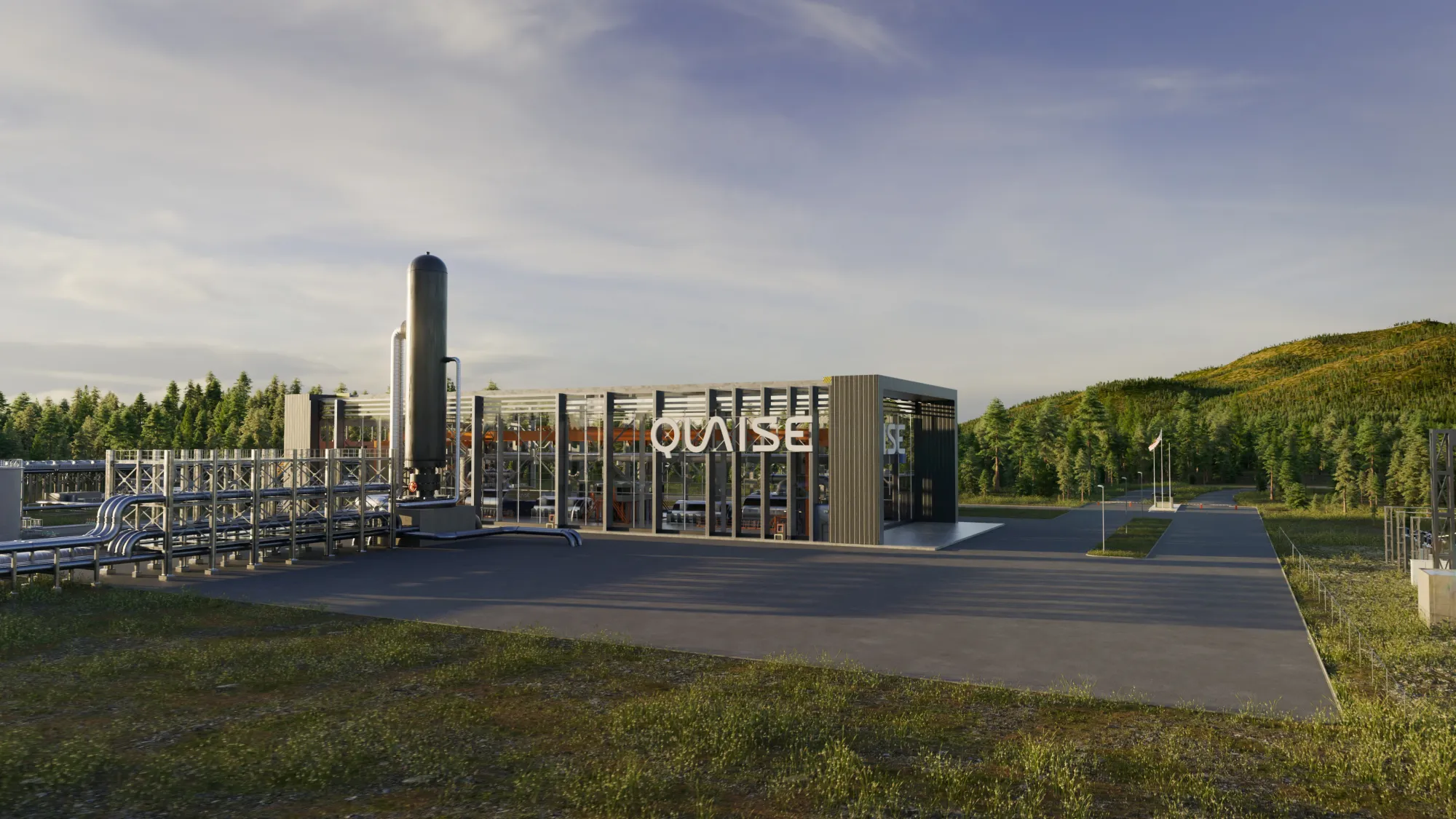
Construction is currently underway on Project Obsidian, located on federal geothermal leases within the Deschutes National Forest in Oregon. The site represents one of the most studied geothermal locations in the United States and carries gigawatt-scale potential. The project will deliver its first electrons to the grid by 2030, supporting grid stability across the Pacific Northwest during a period of rising demand and constrained transmission capacity.
Millimeter Wave Drilling Technology Validation
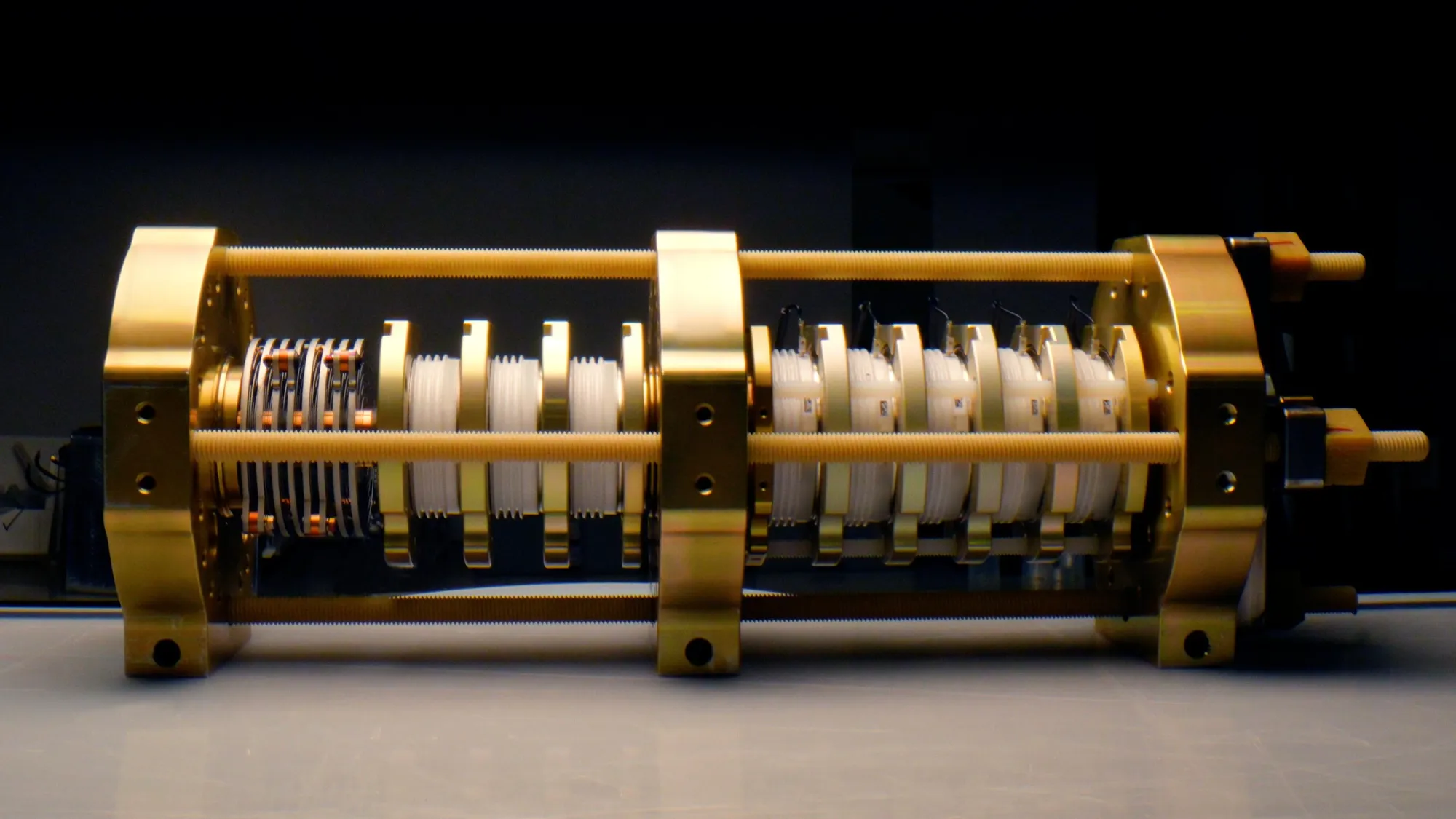
Quaise's core technology, developed at MIT, uses millimeter wave drilling to penetrate rock at depths and temperatures inaccessible through conventional methods. The system has successfully drilled over 100 meters through granite at the Central Texas field site in 2025, marking the first full-scale penetration of basement rock under field conditions. The company is now approaching one kilometer of depth at the same location, which would establish a new record for non-contact drilling technology. This capability enables access to rock temperatures between 300-500°C globally, potentially matching fossil and nuclear energy in power density while maintaining renewable cost advantages.
Strategic Investor Confidence and Capital Structure
The Series B round was led by Prelude Ventures with strategic participation from JERA and Idemitsu, two of Japan's largest energy companies. Nearly all existing investors, including Safar Partners, participated in the financing. The $134 million represents the initial equity component of a broader capital program, bringing Quaise's total funding to $230 million. Concurrent project-level equity and debt financing is being raised to support commercial deployment, with additional announcements expected later this year.
Key Takeaways
- Quaise Energy raised $134 million in Series B financing led by Prelude Ventures, with strategic investments from Japanese energy companies JERA and Idemitsu
- Project Obsidian in Oregon's Deschutes National Forest will deliver first grid electrons by 2030, supporting Pacific Northwest grid stability amid rising demand
- Millimeter wave drilling technology successfully penetrated 100+ meters through granite in 2025 field tests, approaching 1km depth milestone for non-contact drilling
EnergyInsyte's Take
This financing round represents a pivotal transition point for advanced geothermal technology, moving from laboratory validation to commercial-scale deployment. The involvement of established energy companies like JERA and Idemitsu provides both capital validation and potential pathways for international scaling. However, the timeline to first revenues—projected for 2030—means significant execution risk remains over the next six years. The true test will be whether Quaise can maintain technical performance while scaling manufacturing and operations for its millimeter wave drilling systems. For utilities and grid operators evaluating long-term baseload renewable options, Project Obsidian's success could fundamentally reshape geothermal's addressable market beyond traditional hydrothermal resources.
Source: Businesswire