NASA is leveraging private sector hydrogen expertise to solve the critical energy requirements of long-duration lunar missions. Teledyne Energy Systems, a subsidiary of Teledyne Technologies Incorporated (NYSE:TDY), has been selected to collaborate with NASA’s Glenn Research Center and Johnson Space Center. This partnership aims to mature specialized power technologies necessary for establishing a sustained human presence on the lunar surface and beyond.
Maturing Hydrogen Electrical Power Systems
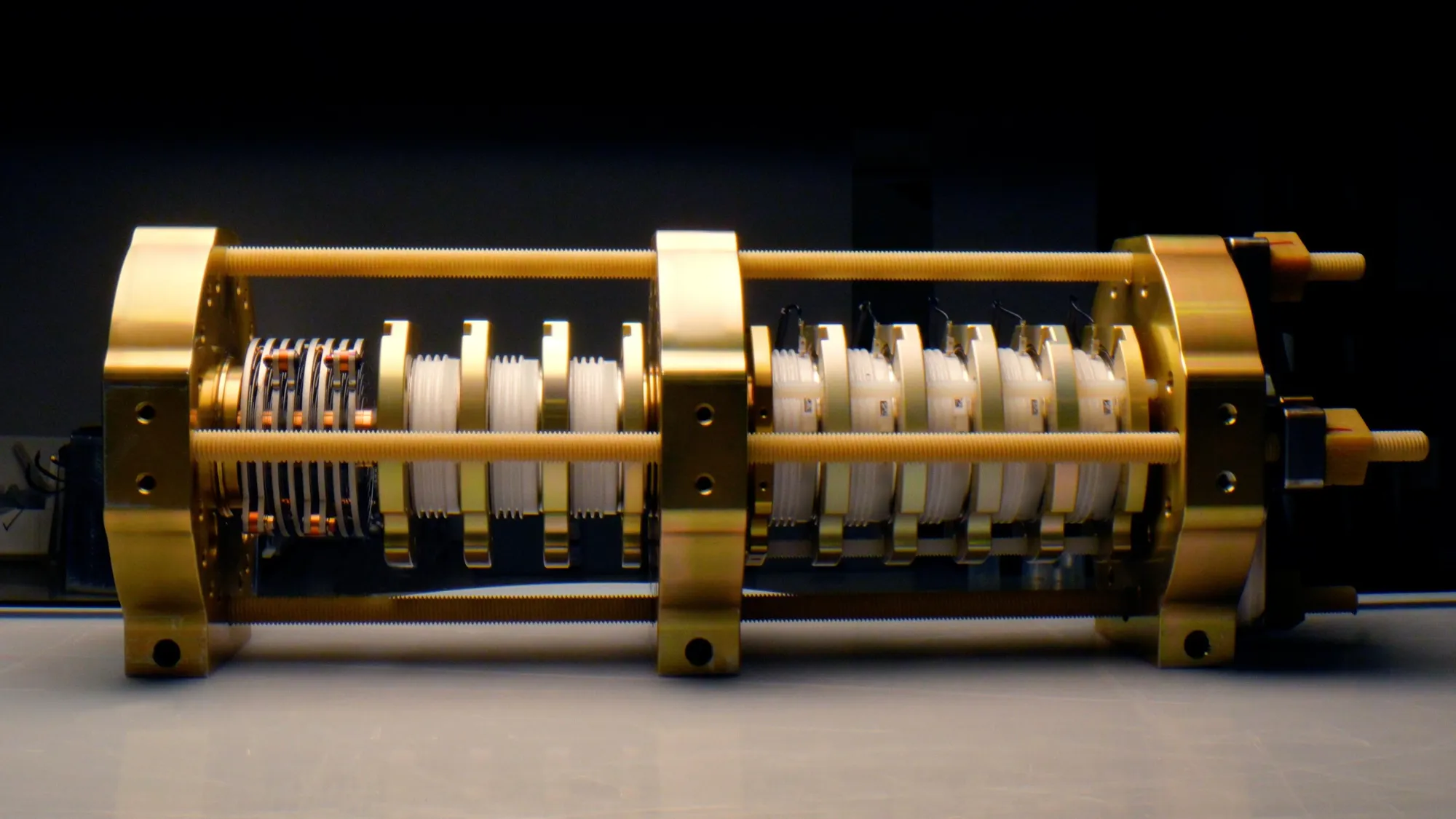
The collaboration operates under a Space Act Agreement focused on advancing Teledyne’s Hydrogen Electrical Power System (HEPS). This advanced hydrogen fuel cell technology is designed to provide efficient, air-independent power for demanding space applications. Currently, the company intends to move the HEPS from a Technology Readiness Level (TRL) of 5 to TRL 7. Achieving this higher readiness level is a prerequisite for deploying the technology in actual space environments. The project will utilize the technical expertise and specialized facilities at both NASA Glenn and NASA Johnson to validate how the system performs under the extreme conditions expected during lunar and deep-space exploration missions.
Infrastructure for Lunar Surface Operations
The HEPS technology is being positioned as a foundational component for future lunar infrastructure. Unlike systems reliant on solar energy, which face challenges during the lunar night, this hydrogen fuel cell system is intended to support lunar habitats and surface infrastructure requiring dependable, continuous energy generation. Teledyne is building on decades of heritage in space power systems to develop solutions that can function in harsh, air-independent environments. By advancing this technology, the company aims to demonstrate that HEPS can provide the scalable energy required for long-duration surface operations. This development addresses a primary bottleneck in space exploration: the need for reliable, high-density power that can sustain human life and scientific equipment in environments where traditional energy sources may fail.
Key Takeaways
- Teledyne Energy Systems will advance its Hydrogen Electrical Power System (HEPS) from TRL 5 to TRL 7.
- The collaboration involves NASA’s Glenn Research Center and Johnson Space Center under a Space Act Agreement.
- HEPS is designed to provide air-independent, efficient power for lunar habitats and deep-space exploration.
EnergyInsyte's Take
In our view, this collaboration highlights the shift from experimental space power to the deployment of robust, mission-critical energy infrastructure. By moving HEPS toward TRL 7, Teledyne is not just testing a concept but is actively engineering the "grid" for lunar surface operations. This signals that NASA is prioritizing air-independent, scalable hydrogen solutions to mitigate the risks of solar intermittency. For energy technology providers, this underscores the growing commercial importance of high-density, reliable fuel cell systems in extreme, off-grid environments.
Questions & Answers
What is the primary technical objective of the Teledyne-NASA collaboration?
The objective is to mature the Hydrogen Electrical Power System (HEPS) from Technology Readiness Level (TRL) 5 to TRL 7, validating its performance for use in space environments.
How does HEPS differ from traditional space power sources?
HEPS is an advanced hydrogen fuel cell system designed to deliver efficient, air-independent power, making it suitable for demanding applications like lunar habitats where continuous energy is required.
Which NASA facilities are supporting this technology maturation?
The collaboration will leverage the technical expertise and facilities of both NASA’s Glenn Research Center and NASA’s Johnson Space Center.
What is the strategic importance of reaching TRL 7 for this technology?
Reaching TRL 7 is intended to demonstrate the potential of HEPS to provide reliable, scalable energy for future exploration architectures and long-duration surface operations in harsh environments.
Source: Teledyne Energy